
How to Make Your Driveway Less Slippery in Winter: 5 Practical Ways
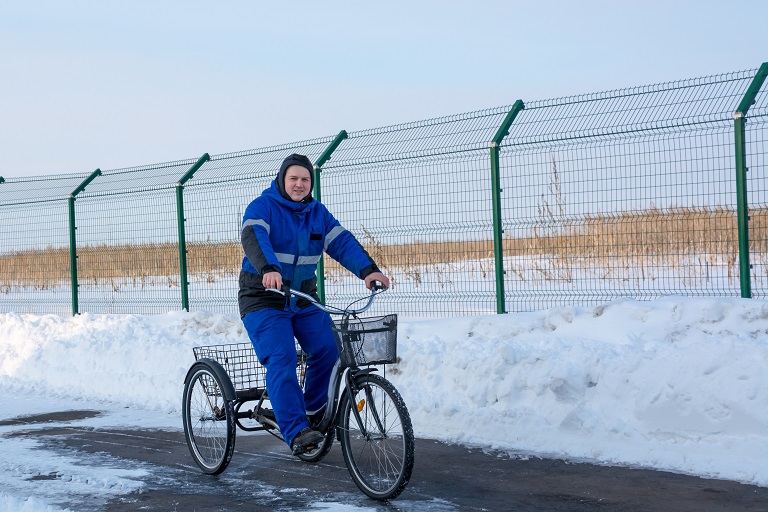
If you live in an area with harsh winter weather, snow, ice, and other winter hazards, you know how tough it can be to keep your driveway in good shape during the winter. However, if you want to safeguard the cement or asphalt and keep your home’s appealing curb appeal, you’ll need to maintain it. It’s also a safety problem in the winter when it’s critical to prevent slipping on ice or snow – either inside or outside the vehicle. An anti-slip traction agent like Traction Magic is a useful way of preventing slipping and giving your car grip on slick surfaces.
Start the winter season off right with a clean driveway, free of debris, leaves, and twigs. It will make future driveway maintenance a breeze. As the concrete driveway ages, hairline cracks may appear, which must be cleaned and filled with a hot sealer that will expand and cover the crevices appropriately. So, here are some ways to make your driveway less slippery this winter and how to increase traction on tires.
How Do You Make a Driveway Less Slippery in Winter?
To make a driveway less slippery in winter, remove loose snow before it becomes compacted, deal with bonded ice, add traction where immediate grip is needed, and reduce areas where meltwater can collect and refreeze. Different methods solve different problems: shoveling removes snow, deicers help loosen or melt ice under suitable conditions, while traction materials increase surface grip without necessarily melting the ice.
Black ice deserves particular attention because it can be difficult to see and may form when rain or melted snow refreezes as surface temperatures fall below freezing.
The black-ice statement can be cited to the National Weather Service. NWS describes black ice as clear or difficult-to-see ice that commonly develops when rain or snowmelt encounters freezing conditions. (National Weather Service)
Key Takeaways
- Clear loose snow before it becomes compacted or freezes onto the driveway.
- Identify whether the immediate problem is snow removal, ice melting, or traction because each requires a different approach.
- Traction materials improve friction but do not necessarily remove the ice.
- Deicers can loosen or melt ice, but performance varies with formulation, temperature and surface conditions.
- Watch for refreezing after snowmelt or rain, especially during overnight temperature drops.
- Long-term prevention includes reducing standing water and addressing areas where moisture repeatedly collects.
Why Does a Driveway Become Slippery?
Winter driveway slipperiness usually comes from one or more conditions: fresh snow, compacted snow, visible ice, nearly transparent black ice, or meltwater that later refreezes. Identifying the surface condition first makes it easier to choose an appropriate response.
- Fresh or loose snow
- Compacted snow
- Bonded ice
- Black ice
- Melt-and-refreeze conditions
- Water collecting in low spots
5 Ways to Make an Icy Driveway Less Slippery
1. Clear Loose Snow Early
People believe that it is best to shovel or clear snow as soon as it falls. Otherwise, a thick coating of ice will build, making the driveway slippery. A sharp snow shovel can cause much more damage to driveways and is no doubt a tiring task.
Removing loose snow early helps prevent it from becoming compacted by foot or vehicle traffic and makes the underlying surface easier to inspect and treat.
2. Remove or Loosen Bonded Ice
After loose snow has been cleared, inspect the surface for ice that remains bonded to the driveway. Use a method appropriate for the driveway surface and conditions rather than treating every winter surface in the same way.
3. Add Traction Where Immediate Grip Is Needed
Traction materials increase friction on a slippery surface. They can be useful when people or vehicles need additional grip before the ice itself has been removed.
4. Use a Deicing Method When Ice Removal Is the Goal
Deicers are intended to help loosen or melt ice. Their performance and compatibility vary according to formulation, temperature, application and the surface being treated.
5. Reduce Water Accumulation and Refreezing
Before and during winter, check drainage, low spots and surface defects where water repeatedly collects. Reducing standing water can help limit repeated melt-and-refreeze cycles.
Pros & Cons Table
| Method | Advantages | Limitations |
| Shoveling / snow removal | Removes loose snow and exposes the surface underneath | Does not necessarily remove bonded ice |
| Ice scraping or removal | Can directly address remaining ice | May require significant effort; tools must suit the surface |
| Traction material | Provides additional friction without waiting for the ice to melt | Does not remove the underlying ice and may require cleanup or reapplication |
| Deicing material | Can loosen or melt bonded ice under suitable conditions | Effectiveness varies with chemistry and temperature; surface compatibility matters |
| Drainage and surface maintenance | Helps address recurring water accumulation and refreezing | Preventive rather than an immediate treatment |
Black Ice on the Road: Know It Before You Slip
You can’t stop what you can’t see—and black ice on the road is winter’s most invisible danger. Unlike snowy patches or slush, black ice blends seamlessly into the pavement, often forming overnight or early in the morning when temperatures drop rapidly. That makes it easy to overlook but hard to survive.
Black Ice: Visibility and Formation
So, can you see black ice traction? Not really. It’s called “black” ice because it’s almost transparent and takes on the color of the asphalt underneath it. Most drivers only realize they’re on black ice after losing control. At what temperature does black ice form? It usually forms at 32°F (0°C) or below—but keep in mind, bridges, overpasses, and shaded areas cool faster than regular roads, allowing black ice to sneak in even when the air temperature is just above freezing.
How long does black ice last? That depends on the conditions. If the sun doesn’t hit the road surface or temperatures stay low, black ice can linger for hours, making morning commutes a silent threat.
What Works on Black Ice
The worst part? Standard methods like rock salt or sand aren’t immediate solutions. Salt takes time to melt ice and can damage your driveway. Sand may offer some grip, but it’s messy and clogs storm drains. What you need is a product that works instantly—without waiting for chemical reactions or risking surface damage.
That’s where Traction Magic comes in. It’s not an ice melt—it’s a traction agent. Made from a blend of volcanic rock and minerals, it soaks up the liquid layer on top of the ice while embedding into the surface to provide immediate grip. Whether it’s under your shoes or your tires, it locks into place and gives you control.
With Traction Magic, you’re not just treating the road—you’re taking it back. No chemicals. No mess. Just reliable grip, even on the slickest, most invisible winter hazards.
Natural Traction Agent
The best way to provide traction on tires and make your driveway less slippery is by using an instant traction agent like Traction Magic. You can spread it without breaking your back and without causing any damage to your driveway and vehicle. Its mineral-based traction agents will give you immediate traction. Unlike chloride-based ice melt products, it is non-corrosive, 100% natural and safe for all. You can also rub it on your vehicle’s tires for safe driving. You can avoid slip and fall liabilities by using this product in your driveway and heavy traffic areas during snow season.

Traction vs. Melting: What Is the Difference?
Traction increases friction between the icy surface and footwear or tires. Deicing is intended to loosen or melt ice. Snow removal physically removes accumulated snow. These approaches can complement one another, but they solve different problems.
Why Does Ice Keep Returning?
Ice can return when snow melts during warmer periods and the remaining water freezes again as the surface cools. Areas that retain water or receive little sunlight may therefore need repeated attention during changing winter temperatures.
What Should You Check Before Choosing a Method?
- Is the surface covered with snow, ice, or both?
- Is immediate traction needed?
- Is the driveway concrete, asphalt, pavers or another material?
- Is meltwater likely to refreeze?
- Are there shaded or poorly drained areas?
- What does the chosen product or material specify for the surface and temperature?
Salt Ice Melt
Repeated exposure to some chemical deicers can contribute to concrete deterioration under certain moisture, freeze-thaw and exposure conditions. The effect varies according to the deicing chemistry, concrete characteristics and how the material is used.
FHWA documentation supports the broader point that chemical deicer exposure can intensify freeze-thaw deterioration and contribute to forms of concrete distress. (Federal Highway Administration)
Sand
To avoid rock salt damage, people tend to go for safer methods of providing traction like sand to help provide traction and make icy surfaces safer to walk on. But they are left with a goopy mess of driveway and clog storm drains following a thaw.
Snow Removal vs. Deicing vs. Traction: Which Solves Which Problem?
| Goal | Suitable approach | What it does | What it does not necessarily do |
| Remove fresh snow | Shoveling / snow removal | Physically removes accumulated snow | Remove bonded ice |
| Improve immediate grip | Traction material | Adds friction | Melt the ice |
| Loosen or melt ice | Deicing material | Changes ice/freezing conditions to help loosen or melt ice | Always provide immediate traction |
| Remove remaining bonded ice | Mechanical removal where appropriate | Physically removes ice | Prevent future refreezing |
| Reduce recurring ice | Drainage / surface maintenance | Reduces locations where water accumulates | Treat ice already present |
Important Limitations to Keep in Mind
No winter driveway treatment makes an icy surface completely slip-proof. Conditions can change quickly as snow melts, temperatures fall and water refreezes.
- Traction materials improve friction but normally do not remove ice.
- Ice that melts during the day can refreeze later if water remains on the surface.
- Black ice may be difficult to distinguish from a wet surface.
- Deicing materials differ in chemistry, temperature performance and surface compatibility.
- Follow the application and surface instructions for whichever material is being used.
- Recheck shaded areas, low spots and locations where meltwater tends to collect.
The National Weather Service notes that black ice can be clear and difficult to see, and that rain or snowmelt can produce black ice when temperatures fall below freezing. (National Weather Service)
FAQs
Conclusion
With these 5 ways to make your driveway less slippery, we hope you’re well-equipped to deal with ice this winter. Shovelling and using ice melt have their own cons. While shovelling can be hard on your back, ice melt takes a lot of time that you may not always have. Even bigger challenge is when you have black ice on the road. Winter may come dressed in white, but it’s hiding dangers in black—black ice on the road being the most deceptive of them all. Whether you’re walking down your driveway or driving to work, a slippery surface can turn a normal day into a disaster. And while shoveling, salting, or sanding may feel like you’re doing your part, they often fall short—leaving behind a mess, property damage, or worse, a false sense of security.
So, can you see black ice? Usually not. That’s exactly why you should prepare with proactive solutions, not reactive regrets.
Traction Magic doesn’t just help you manage slippery driveways—it gives you control when you can’t see what’s beneath you. It’s safe for your family, pets, and concrete, and it works on contact without relying on temperature changes. Whether you’re trying to avoid slipping on icy pavement or need emergency grip for your car tires, it’s the one solution that delivers results without compromise.
This winter, don’t wait for the ice to melt. Get ahead of it. Say goodbye to guesswork and black ice panic. Say hello to Traction Magic—your driveway’s best defense.
Get ready for winter with Traction Magic instant grip on snow and ice
Related Articles
Learn more about how winter treatments interact with concrete surfaces.
Read more about tire traction in winter conditions.
Explore winter weather and ice-condition resources.
Other Ice Melt Products
Safe Paw
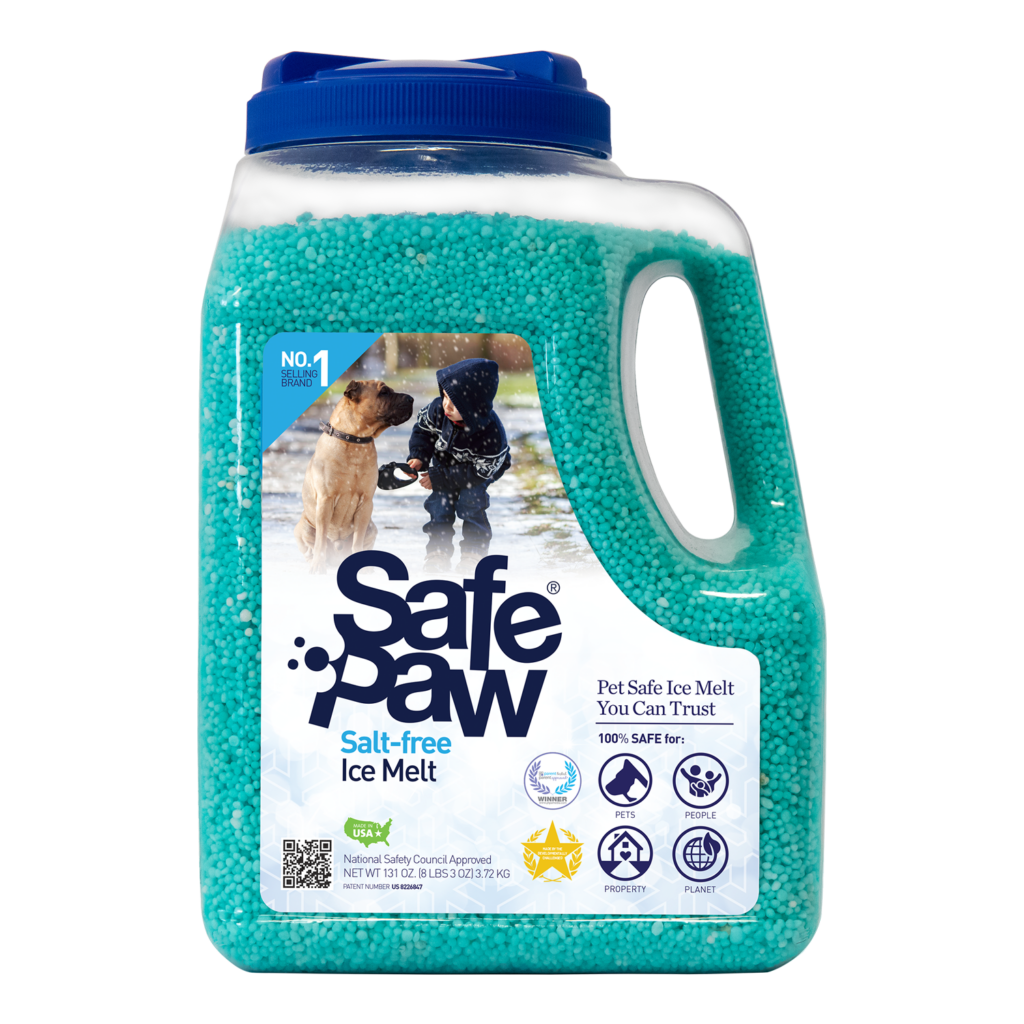
The Original and the #1 Pet and Child Safe Ice Melt for over 20 years. Guaranteed environmentally safe – will not harm waterways and sensitive wetlands. Safe Paw can change how winter affects our planet.
Safe Thaw
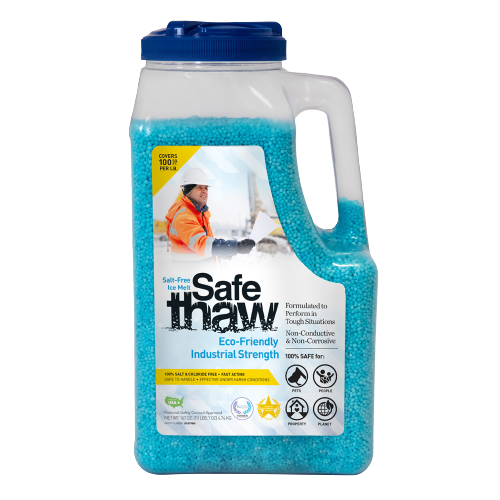
Imagine an ice melt you can put down and never worry about. It won’t harm pets, kids and your property. That’s Safe Thaw. Unlike anything else on the market, Ice and Snow Management You Can Trust.