
5 Pros And Cons Of Ice Cleats In Winters
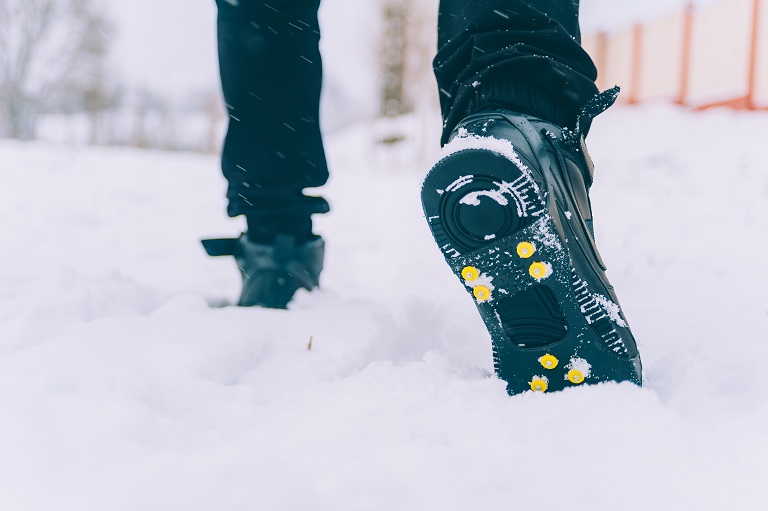
Ice cleats can improve traction when walking on outdoor ice and packed snow, but they are not suitable for every surface or situation. Their principal advantages are immediate grip, portability and compatibility with many winter shoes. Their limitations include the need to remove them indoors, possible floor damage, fit issues and reduced suitability on bare pavement. The best choice depends on the walking surface, activity and frequency of indoor-outdoor transitions.
While it’s best to wear footwear that’s appropriate for the season, work shoes or boots don’t always cut it when it comes to walking in cold weather. People often choose ice cleats or spikes for shoes to walk on ice. In this article, we will delve into the world of ice cleats and introduce an alternative – Traction Magic – which provides a safer, chemical-free approach to combating ice-covered surfaces.
Ice Cleats: The Basics
Ice cleats are devices that can be attached to the soles of shoes to provide additional traction on ice or snow. Made from rubber or plastic, these products feature metal spikes or coils that dig into ice to prevent slipping. Cleats for ice can be a beneficial tool, particularly for outdoor enthusiasts, runners, or individuals living in areas with severe winter conditions.
Ice Snow Grips for Shoes: Do Ice Cleats Really Work?
While ice cleats can significantly improve grip on icy surfaces, they do have their drawbacks. They need to be continuously put on and taken off, which can be cumbersome, especially when transitioning from outdoor to indoor surfaces. Moreover, if forgotten, they can damage indoor flooring.
Key Takeaways
- Ice cleats attach to footwear and add grip on outdoor ice or packed snow.
- They are most useful when the walking route remains predominantly icy.
- Cleat performance can vary by design, fit, footwear and surface conditions.
- Metal cleats should generally be removed before walking on indoor floors.
- Ice cleats reduce slipping risk but do not make every icy surface safe.
- Treating the walking surface may be more practical for entrances, driveways and frequently used pathways.
Five Advantages of Ice Cleats
1. Added grip on outdoor ice
Ice cleats use spikes, studs or coils to create additional contact with icy surfaces.
2. Immediate use
Once properly fitted, cleats provide traction without waiting for the walking surface to be treated.
3. Portable design
Many removable models can be stored in a bag, vehicle or coat pocket when they are not needed.
4. Compatibility with different activities
Different designs are available for everyday walking, outdoor work, hiking and winter running.
5. No material needs to be spread on the ground
Cleats work through the user’s footwear and do not require application across an entire pathway.
Five Limitations of Ice Cleats
1. They must be removed indoors
Metal studs can slip on smooth indoor surfaces and may scratch or damage flooring.
2. Fit and stability vary
Loose, incorrectly sized or poorly fitted cleats may shift during walking.
3. Performance depends on the surface
A design intended for solid ice may perform differently on loose snow, slush or exposed pavement.
4. Frequent transitions can be inconvenient
Putting cleats on and removing them repeatedly may be impractical when entering several buildings.
5. They require inspection and maintenance
Users should check for worn studs, damaged straps, accumulated snow and loose components before use.
How to Use Ice Cleats More Safely
- Select a design that fits the intended footwear.
- Attach both cleats according to the manufacturer’s instructions.
- Confirm that straps, coils or studs are secure before walking.
- Take short steps and walk slowly on changing winter surfaces.
- Use handrails where available.
- Remove metal cleats before entering buildings or walking on smooth floors.
- Inspect the device for wear or damage after use.
Ice Cleats: Pros and Cons at a Glance
| Advantages | Limitations |
| Provide additional grip on outdoor ice | Need to be removed on most indoor surfaces |
| Work immediately after being fitted | May scratch floors or slip on smooth flooring |
| Portable and reusable | Fit and comfort differ between designs |
| Available for walking, work and running | Effectiveness varies with surface conditions |
| Do not require treating the whole pathway | Require inspection, cleaning and storage |
Ice Spikes for Running: A Winter Workout Solution?
Runners looking for winter traction often turn to ice spikes. While they can offer improved grip, the comfort and stability they provide can vary greatly based on the quality of the cleats and the surface you’re running on. Also, they should be used with caution to prevent potential injury from the spikes themselves.
Get ready for winter with Traction Magic instant grip on snow and ice
Are Cleats Good for Walking on Ice?
Cleats for ice can be beneficial when walking on slippery, ice-covered surfaces, but they aren’t always the most practical solution. They can be uncomfortable to wear for extended periods and are not suited for use on bare concrete or indoor surfaces.
Warnings and Limitations
Ice cleats provide additional traction; they do not eliminate the risk of falling. Performance varies according to cleat design, fit, footwear, walking speed and the type of ice or snow. Avoid using metal cleats on smooth indoor floors, ladders, vehicles or exposed hard surfaces unless the product instructions specifically permit that use. Replace devices with worn studs, torn straps or an unstable fit.
Walking on frozen lakes or ponds is a separate safety issue. Footwear traction does not indicate that the ice sheet can support a person.
Ice Cleats vs Surface-Applied Traction Material
| Consideration | Ice cleats | Surface-applied traction material |
| Applied to | Individual footwear | Icy walking surface |
| Primary role | Adds grip for one wearer | Adds grip across a treated area |
| Useful for | Outdoor walks, hikes and icy routes | Entrances, steps, walkways and driveways |
| Indoor transition | Often requires removal | Nothing attached to footwear |
| Number of users | Benefits the wearer | May benefit everyone using the treated area |
| Surface dependency | Varies by cleat design | Varies by material, coverage and weather |
| Ice melting | Does not melt ice | A traction-only material does not necessarily melt ice |
| Maintenance | Inspect, clean and store the device | Monitor coverage and reapply when displaced or covered |
Winter Traction Devices for Horse Hooves
Ice cleats are not just for humans – they also come in versions for our equine friends. Winter traction devices for horse hooves can prevent horses from slipping on ice, but care must be taken to ensure they are correctly fitted and comfortable for the horse.
Get ready for winter with Traction Magic instant grip on snow and ice
Introducing Traction Magic: The Practical Ice Traction Solution
While ice cleats and related devices have their place, they are not always the most convenient or practical solution for daily ice navigation. This is where Traction Magic shines. Traction Magic is a ground-breaking, non-toxic product designed to create a slip-free surface on ice and packed snow.
Traction Magic can be applied directly to the icy surface where you need traction, making it ideal for a range of applications – from your home’s driveway and walkways to business entrances and parking lots. It’s also useful for those unexpected icy patches that can catch you off guard. Unlike salt or other chemical deicers, Traction Magic is completely safe for the environment and will not cause damage to surfaces.

Related Article Links
- How to Improve Traction on Icy Walkways
- How to Walk Safely on Ice and Packed Snow
- Ice Melt vs Traction Material: What Is the Difference?
- Winter Traction Tips for Driveways and Entrances
- How to Prepare High-Traffic Areas for Freezing Weather
Conclusion
While ice cleats can provide added traction on ice, they come with certain limitations and aren’t always the most practical solution. An alternative like Traction Magic provides a safe, efficient, and user-friendly option for enhancing traction on ice. So, this winter, rely on Traction Magic for a slip-free season.
FAQs
Other Ice Melt Products
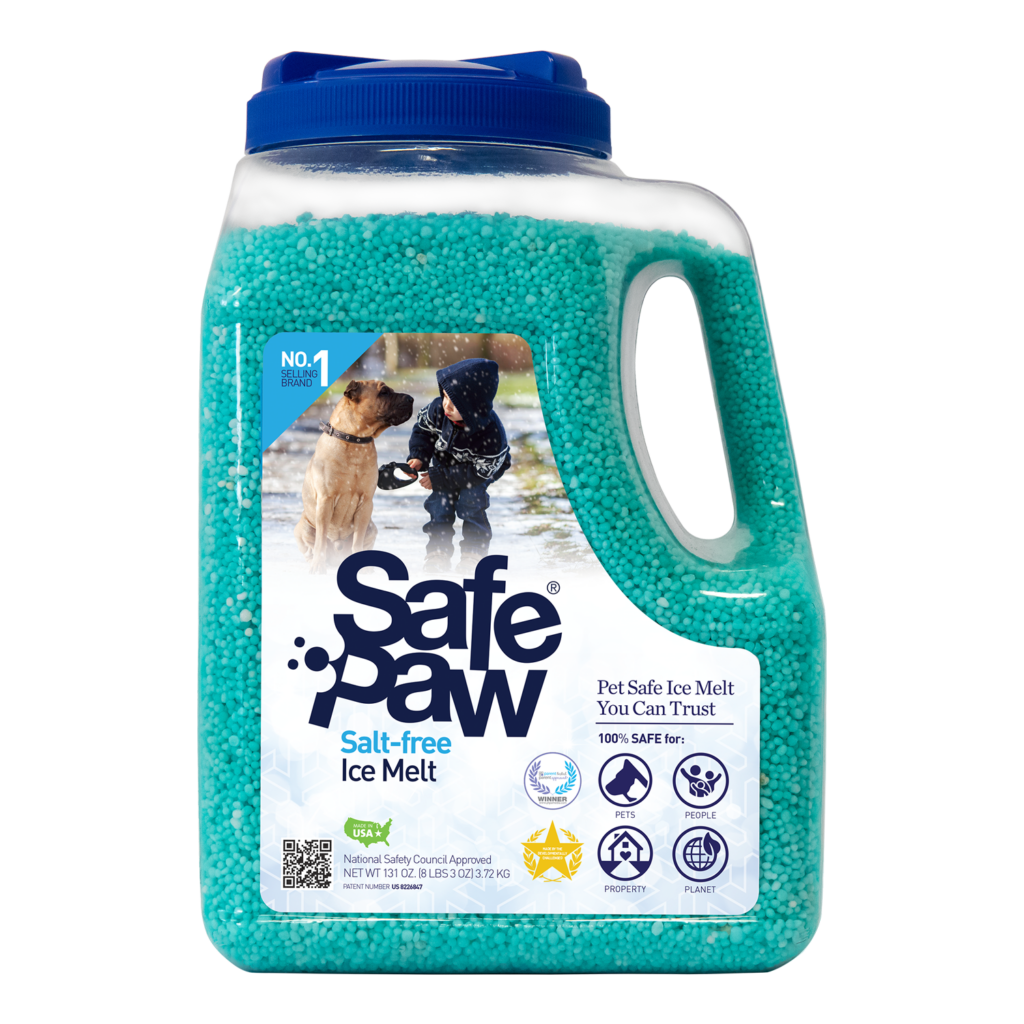
Safe Paw
The Original and the #1 Pet and Child Safe Ice Melt for over 20 years. Guaranteed environmentally safe – will not harm waterways and sensitive wetlands. Safe Paw can change how winter affects our planet.
Safe Thaw
Imagine an ice melt you can put down and never worry about. It won’t harm pets, kids and your property. That’s Safe Thaw. Unlike anything else on the market, Ice and Snow Management You Can Trust.