
Four Reasons Why You Should NOT Use Kitty Litter To Add Traction
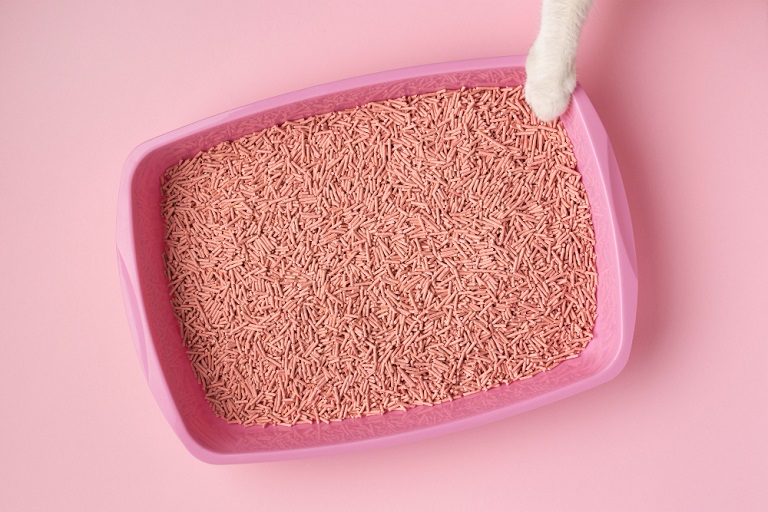
Kitty litter can provide limited, temporary grip on ice, but it does not melt ice and may become wet, clumpy, muddy, or difficult to clean. Its performance also varies by composition. For routine treatment of icy sidewalks and driveways, removing snow first and applying a purpose-made traction material is generally more practical.
However, over the years, people have realized the drawbacks of using kitty litter and have started using alternatives and better traction ice melt to help them ease their woes.
Get ready for winter with Traction Magic instant grip on snow and ice
Kitty Litter On Ice: How Does Cat Litter Work?
When spread on ice, Kitty Litter’s granular texture provides temporary traction. However, this material does not actually melt ice, and as it absorbs moisture, it can turn into a sludgy mess that may eventually add to the slipping hazard.
Key Takeaways
- Kitty litter may add short-term grip, but it does not melt ice.
- Clay-based and clumping varieties can absorb moisture and leave wet residue.
- Performance varies because kitty litter can be made from clay, silica, wood, paper, corn, wheat, or other materials.
- Snow and loose ice should be removed before applying any traction material.
- Use only the amount needed and sweep up the remaining material after conditions improve.
- A purpose-made traction aggregate is usually more suitable for repeated use on walkways and driveways.
Top 4 Reasons To Not Use Kitty Litter To Add Traction
- Turns To Mud: Kitty litter comprises clay or other natural ingredients such as wheat, pine, corn, or synthetic crystallized silica. In contact with water, clay becomes lumpy and muddy, making it extremely slippery to walk. It might provide short-term traction but does not help in the long run. The friction from the spinning tire creates heat, making clay turn to mud.
- Messy: Kitty litter, when in contact with water, creates a huge mess. It sticks to the sole of your shoes and traces back inside the house, dirtying your carpets, patio, and floor. Hence, it does not prove to be a viable option.
- Temporary Traction: While it is readily available, kitty litter helps to build traction only for a limited period. When it mixes with water, it will either clump or turn to mud. You may try using it on your snow-covered roof to build traction; however, it is not advisable to use it on roads or sidewalks.
- Not 100% Environment-Friendly: Kitty litter is widely available in clay. However, it also comes in other ingredients such as sodium silicate, sodium bentonite, calcium bentonite, etc., that swell up 2x their size and are difficult to clear. In addition, it may lead to blocking of drains, sewers, and even de-moisturizing the soil.
Kitty Litter: Homemade Pet Safe Ice Melt Is It Good For Ice?
While Kitty Litter can provide temporary traction, it’s not necessarily the best solution. Unlike products specifically designed for ice traction, like Traction Magic, Kitty Litter can create a messy residue that’s not ideal for pets or the surrounding environment.
Get ready for winter with Traction Magic instant grip on snow and ice
When Can Kitty Litter Provide Temporary Traction?
Dry, coarse, non-clumping litter may provide limited grip when placed near a vehicle tire during an emergency. That use is different from treating an entire sidewalk or driveway. On frequently walked surfaces, moisture, foot traffic, and repeated freeze-thaw conditions can cause some litter materials to break down or leave residue.
Kitty litter should not be described as an ice melter. It is an abrasive material: it may increase surface friction temporarily, but it does not lower water’s freezing point or remove bonded ice.
What Can I Use Instead Of Cat Litter?
Traction Magic is a reliable alternative for Kitty Litter that you can use with confidence. Unlike Kitty Litter, which simply offers a temporary solution, Traction Magic creates a safe, slip-free layer on top of ice or packed snow. Consisting of natural materials, it doesn’t negatively impact the environment like some chemical deicers can.
Is Traction Magic A Better Alternative?
Traction Magic comprises natural volcanic rock and seven other minerals that are 100% environment-friendly and can be used on your driveway or snow-covered roof. It is not messy, does not stick to the shoes, does not block sewers or gutters, and seamlessly mixes with soil. It acts as a conditioner for plants as well.
Traction Magic helps to build excellent traction on any slippery surface because they instantly absorb water and allow the grippers to lock into the ice, creating a non-skid surface.
Limitations of Using Kitty Litter on Ice
1. It Can Break Down When Wet
Many clay-based litters are designed to absorb moisture. Once wet, they may clump, soften, or leave a paste-like residue. This can reduce their practical value as a clean, repeatable traction treatment.
2. It Can Create a Cleanup Problem
Wet litter may be tracked onto floors or remain on pavement after the ice melts. Fine particles can also be harder to sweep up than a coarse traction aggregate.
3. It Provides Traction, Not Ice Melting
Kitty litter does not lower the freezing point of water. Any grip it provides is temporary and may decline as the material becomes covered by snow, embedded in ice, or saturated with water.
4. Its Performance Varies by Composition
Kitty litter is not a single material. Products may contain clay, silica, wood, paper, corn, wheat, or other absorbent ingredients. Clumping and highly absorbent varieties may behave differently from coarse, non-clumping litter when exposed to snow and meltwater.
Pros and Cons of Kitty Litter for Ice Traction
| Potential advantage | Limitation |
| Often readily available | Does not melt ice |
| Dry, coarse material may provide temporary grip | Grip may decline when the material becomes wet or covered |
| May help near a stuck tire in an emergency | Less practical for routine treatment of large walkways |
| Some non-clumping varieties remain granular briefly | Clay-based or clumping varieties may leave residue |
| Easy to store in a vehicle | Cleanup may be required after the ice melts |
Warnings and Limitations
Traction materials do not remove ice. They provide temporary surface grip and may need to be reapplied after snowfall, freezing rain, melting, or heavy foot traffic.
Remove loose snow and break up removable ice before application. Apply a light, even layer only where additional grip is needed. Excess material should be swept up after the surface clears so that it is not tracked indoors or washed into drainage systems.
No traction material can make every icy surface slip-proof. Continue to use suitable footwear, handrails, adequate lighting, and reduced walking speed.
Kitty Litter vs. Purpose-Made Ice Traction Material
| Factor | Kitty litter | Purpose-made traction aggregate |
| Primary purpose | Absorbing pet waste | Adding surface grip |
| Melts ice | No | Usually no, unless separately formulated as a deicer |
| Performance when wet | Varies; some types clump or soften | Depends on composition; generally intended to remain granular |
| Consistency | Varies considerably by litter type | Usually designed for more consistent particle size |
| Walkway use | Temporary or improvised | Intended for repeated traction use |
| Cleanup | Wet residue may be difficult to remove | Remaining aggregate should still be swept up |
| Reapplication | May be required frequently | May also require reapplication after weather or traffic |
| Best use | Limited emergency use, depending on type | Routine spot treatment of icy walking areas |
Conclusion
Kitty litter has been used as an alternative among homeowners because it is comparatively cheaper and readily available. However, it provides only temporary traction and creates a bigger mess that is difficult to clean and shovel. Hence, it is advisable to use natural ways to melt ice and snow with the help of Traction Magic to save time, money, and energy.

Related Articles
- Does Kitty Litter Actually Melt Ice? The Science Explained
- Can Kitty Litter Be Your Winter Lifesaver On Icy Paths?
- Kitty Litter Vs. Ice: What’s The Real Story?
- Unlocking Winter’s Best-Kept Secret: Kitty Litter On Ice
- Can Kitty Litter Really Tackle Ice? The Lowdown
FAQs
Other Ice Melt Products
Safe Paw
The Original and the #1 Pet and Child Safe Ice Melt for over 20 years. Guaranteed environmentally safe – will not harm waterways and sensitive wetlands. Safe Paw can change how winter affects our planet.
Safe Thaw
Imagine an ice melt you can put down and never worry about. It won’t harm pets, kids and your property. That’s Safe Thaw. Unlike anything else on the market, Safe Thaw can change how winter affects our planet.