
Does 4-Wheel Drive Help on Ice? What 4WD Can and Can’t Do
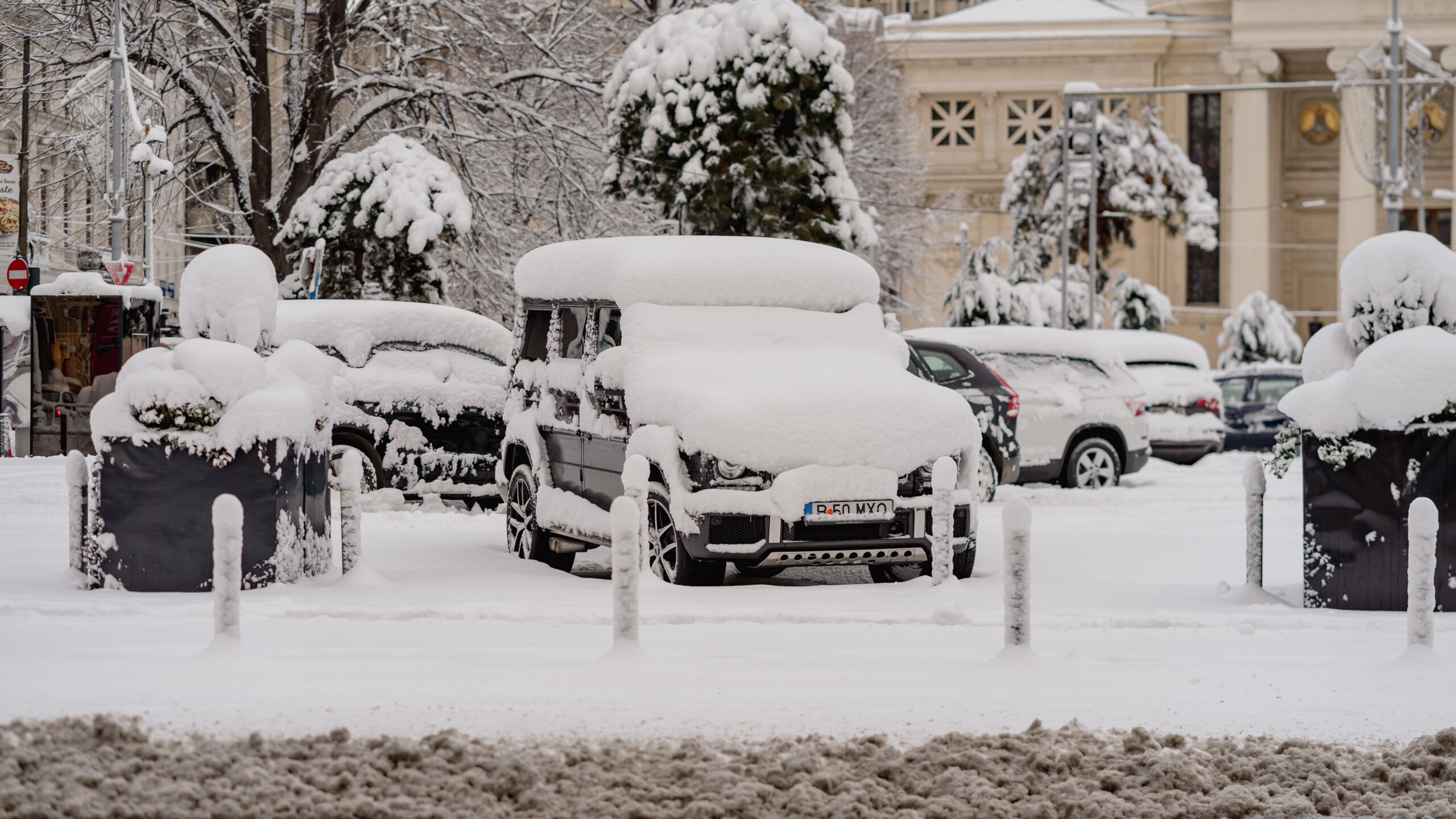
Does 4-Wheel Drive Help on Ice?
Yes, 4-wheel drive can help a vehicle get moving on snow or ice because power can be delivered to all four wheels. However, 4WD does not make a vehicle stop faster on ice and cannot prevent every skid. Braking and cornering still depend heavily on tire grip, vehicle speed, road conditions, and driver inputs. On black ice, even a 4WD vehicle can lose traction.
AAA similarly explains that AWD/4WD vehicles may accelerate better in snow and ice but do not inherently brake better than conventional vehicles. The National Weather Service also cautions that even four-wheel-drive vehicles can have difficulty on icy roads. (AAA Oregon/Idaho)
Ever glanced outside on a frosty morning, eyed those slick roads, and thought, “does 4 wheel drive help on ice?” or “Thank heavens for my 4-wheel drive?” If you’ve got a 4WD, you might think you’ve hit the jackpot for icy conditions. But, does 4 wheel drive help on ice?
Get ready for winter with Traction Magic instant grip on snow and ice
Key Takeaways
- 4WD mainly helps with getting the vehicle moving and distributing power to more wheels.
- 4WD does not automatically shorten braking distance on ice.
- Tire grip remains critical for acceleration, braking, and cornering.
- Black ice can be difficult to see and may form when moisture freezes on a sufficiently cold road surface.
- Reducing speed, increasing following distance, and using smooth steering and braking inputs remain important even in a 4WD vehicle.
NHTSA recommends slowing down and increasing following distance because slick roads make vehicles harder to control and stop. (NHTSA)
Getting Chummy With 4wd
Before we deep-dive, here’s a quickie on 4WD. In layman’s terms, it’s like giving all four of your vehicle’s “feet” (aka tires) equal power. It’s a bit like a synchronized dance—every wheel moves in harmony. Great for off-roading, but driving on icy roads? That’s a different ball game.
When 4wd Shines On Ice
- Stepping on the Gas: Ever tried getting your car to move on an icy patch and just got that annoying wheel spin? With 4WD, all wheels join the party, giving you that much-needed initial push.
- Slope? No Problem!: Icy hill got you nervous? That’s where 4WD comes to your rescue, ensuring all wheels chip in for that uphill battle.
- Snow Galore: Not strictly ice, but if there’s a ton of snow hiding potential ice traps below, 4WD can be your best bud.
Where 4wd Might Leave You Cold
- Breaking Up is Hard to Do: When it comes to stopping on ice, 4WD isn’t your knight in shining armor. It’s all about the tires and the icy nemesis underneath.
- Overconfidence Overload: Just because you’re driving a 4WD doesn’t mean you’re invincible. Getting too cocky? Not a good idea.
- All About the Shoes (Er, Tires): No matter how fab your 4WD is, if your tires are “meh,” you’re in for a slippery ride.
Get ready for winter with Traction Magic instant grip on snow and ice
When 4WD Can Help on Ice or Snow
- Starting from a stop: Power going to additional wheels may reduce excessive wheel spin.
- Climbing a slippery incline: Multiple driven wheels may provide better ability to move uphill.
- Moving through accumulated snow: 4WD can improve forward mobility where deeper snow creates resistance.
Where 4WD Has Important Limitations
- Braking: 4WD does not inherently shorten stopping distance.
- Cornering: The vehicle can still slide when tire grip is exceeded.
- Black ice: Four-wheel drive cannot eliminate the low-friction road surface.
- Poor tires: Additional driven wheels cannot compensate fully for inadequate tire grip.
Pros and Limitations of 4WD on Ice
| 4WD on ice | What it means |
| Pro: Better initial mobility | Sending power to multiple wheels can help the vehicle begin moving when traction is limited. |
| Pro: Useful on snowy inclines | Multiple driven wheels can help maintain forward movement on slippery slopes. |
| Pro: Helpful in deeper snow | 4WD may improve mobility when snow creates additional resistance. |
| Limitation: Does not improve road friction | The tire still needs sufficient grip against the road surface. |
| Limitation: Does not automatically reduce braking distance | Stopping remains dependent on available tire grip, speed and road conditions. |
| Limitation: Cannot prevent every skid | Steering or braking inputs can exceed the traction available on ice. |
| Limitation: Can encourage overconfidence | Drivers may overestimate what the drivetrain can do on low-friction surfaces. |
Important Limitations to Remember
4WD improves how power is delivered to the wheels; it does not change the amount of friction available between the tire and an icy road.
Even with 4WD:
- stopping distances can increase on slippery surfaces;
- sudden acceleration can cause wheel spin;
- abrupt steering can cause loss of grip;
- black ice may be difficult to see;
- bridges, overpasses and shaded areas may remain icy when nearby pavement appears clear.
NWS identifies bridges and overpasses as particularly susceptible to icing, while NHTSA recommends slower speeds and greater following distances in winter conditions. (National Weather Service)
Got 4WD? Here’s More to Tackle Icy Roads
Alright, we’ve sung some praises for 4WD, but there’s more to the icy road saga. Let’s spill the beans:
- Slow and Steady: Speed demon antics? Save them for the racetrack. On ice, it’s all about that slow cruise.
- Space, the Final Frontier: More space between you and Mr. Car-in-front means more time to react.
- Enter, Traction Magic: Sometimes, you need that extra oomph. That’s where our buddy, Traction Magic, waves its wand.

Why Traction Magic Steals The Show
Even with 4WD doing its thing, sometimes you need a magic trick. And Traction Magic? It’s like the Houdini of traction.
- Immediate Grip: Picture this: an icy patch, your 4WD floundering, and then? Traction Magic to the rescue! Where salt and other melts dilly-dally, this guy jumps right in.
- Safety First: Perfect for you, your granny, even your pooch. And oh, it’s eco-friendly too!
- Frosty Temps, No Worries: We’re talking -35°C kinda cold. Brrr… But with Traction Magic? No sweat.
- Sprinkle and Go: Just spread it over the icy villain, and you’re golden.
Get ready for winter with Traction Magic instant grip on snow and ice
Understanding Black Ice Temperature Thresholds and Traction Challenges
What’s black ice traction, often referred to as “invisible ice,” is a thin, transparent layer of ice that forms on roadways, making it nearly impossible to detect. It typically develops when the air temperature is at or just below 32°F (0°C), causing moisture on the road to freeze into a smooth, glass-like surface. This phenomenon is particularly dangerous because it blends seamlessly with the asphalt, leading to unexpected loss of traction for drivers.
What Causes Black Ice?
Black ice forms under specific conditions:
- Black ice Temperature Fluctuations: After a period of rain or melting snow, if the temperature drops rapidly, the residual moisture can freeze, creating black ice.
- Shaded Areas: Roads that don’t receive much sunlight, such as those under bridges or tree-lined streets, are more susceptible to black ice formation.
- Bridges and Overpasses: These structures cool down faster than regular roads, increasing the likelihood of black ice.
Why Is Black Ice Dangerous?
The primary danger of black ice lies in its invisibility. Drivers often don’t realize they’re on black ice until it’s too late, leading to accidents. Even vehicles equipped with 4-wheel drive (4WD) are not immune. While 4WD can help in distributing power to all four wheels, it doesn’t enhance braking or prevent skidding on icy surfaces.
Enhancing Traction with Traction Magic
To combat the challenges posed by black ice, products like Traction Magic can be invaluable. Designed to provide immediate traction on icy surfaces, Traction Magic works by embedding itself into the ice, creating a non-slip surface for tires and shoes alike. It’s especially useful in situations where black ice is prevalent, offering an added layer of safety for both drivers and pedestrians.
FAQs
Conclusion
Why is black ice called black ice is a silent hazard that can catch even the most experienced drivers off guard. Understanding the conditions under which it forms—typically at temperatures around 32°F (0°C)—and recognizing its dangers are crucial steps in preventing accidents. While 4WD offers certain advantages in snowy conditions, it doesn’t negate the risks associated with black ice. Utilizing traction-enhancing products like Traction Magic can provide the necessary grip to navigate these hidden icy patches safely. Always remain vigilant, reduce speed, and consider additional safety measures when driving in conditions conducive to black ice formation.
Continue Reading About Winter Traction
How to Maximize the Traction of Your Tires
Ice Grip Essentials: Stay Safe on Black Ice
Ice and Snow Grippers vs. Road Salt
winter preparation/weather information hub
Other Ice Melt Products
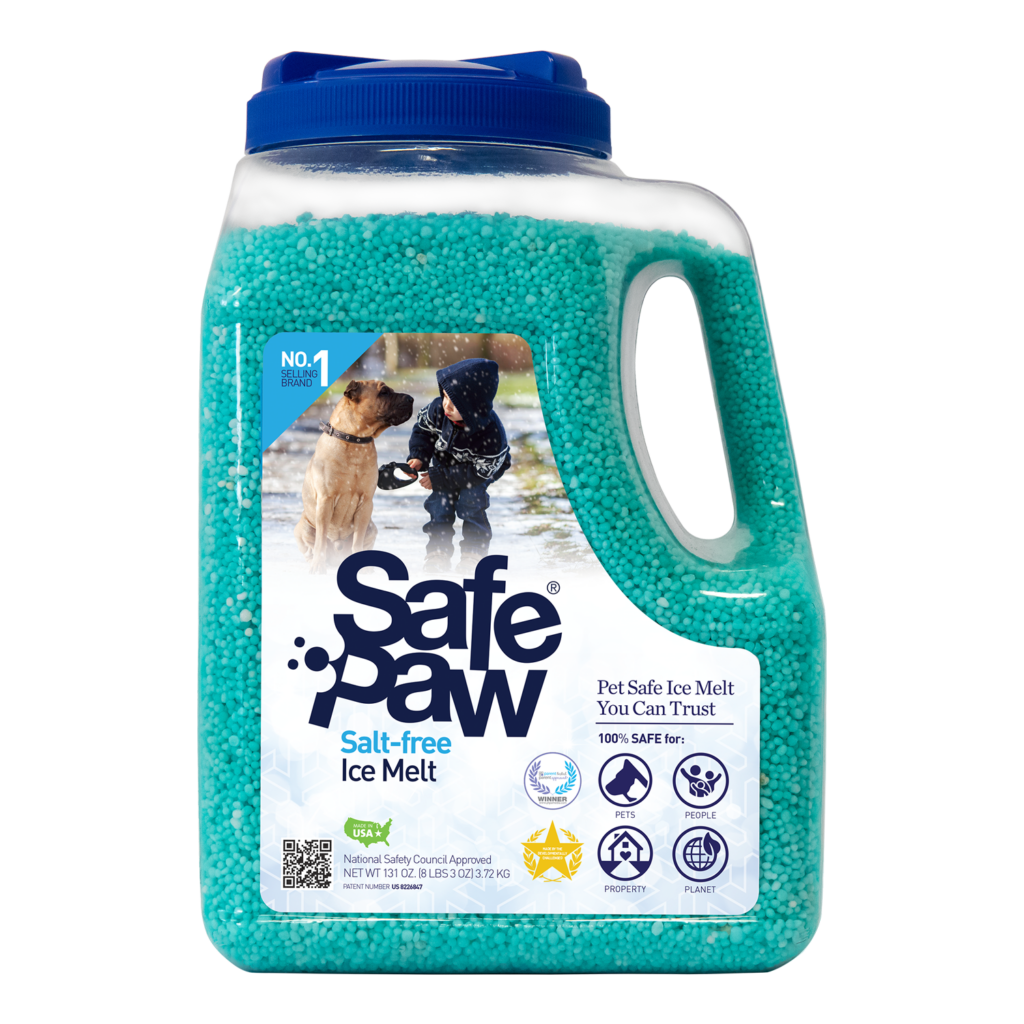
Safe Paw
The Original and the #1 Pet and Child Safe Ice Melt for over 20 years. Guaranteed environmentally safe – will not harm waterways and sensitive wetlands. Safe Paw can change how winter affects our planet.
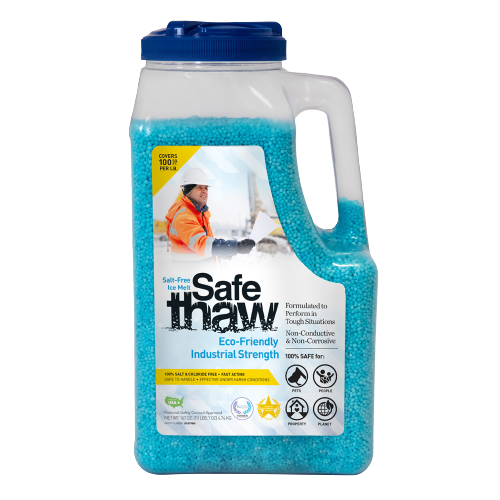
Safe Thaw
Imagine an ice melt you can put down and never worry about. It won’t harm pets, kids and your property. That’s Safe Thaw. Unlike anything else on the market, Ice and Snow Management You Can Trust.