
The Single Best Way to Increase Traction on Tires

You may have prepared well for winters with a cozy fireplace, warm clothes, and tools for snow removal. But what if you have to drive in snow. Do you know how to increase traction on tires? How to reach your destination without any unfortunate incident?
How Do You Increase Tire Traction on Black Ice?
Black ice is a thin, difficult-to-see layer of ice that can make pavement look merely wet. To maintain as much tire traction as possible, reduce speed, increase following distance, avoid abrupt acceleration or braking, keep tires properly inflated and in good condition, and use winter-appropriate tires or traction devices when conditions require them. If a vehicle is stuck or a small icy area needs additional grip, a granular traction aid or abrasive material can provide temporary surface traction. Temporary traction materials do not replace appropriate tires, careful driving, or winter road preparation.
The National Weather Service describes black ice as patchy ice that is difficult to see and notes that bridges and overpasses are especially vulnerable to icing. (National Weather Service)
Key Takeaways About Tire Traction on Black Ice
- Black ice can be difficult to see. It often appears as ordinary wet pavement.
- Slow, controlled driving matters. Sudden acceleration, braking and steering can make loss of traction more difficult to manage.
- Tire condition is important. Check inflation pressure, tread condition and overall tire condition before winter travel.
- Winter traction methods serve different purposes. Winter tires, chains, snow socks and surface traction materials are not interchangeable.
- Granular traction materials provide localized grip. They are most useful around tires or on specific icy areas rather than as a substitute for winter-ready tires.
- Road conditions can change quickly. Bridges, overpasses and shaded areas may become icy before surrounding pavement.
NHTSA recommends slowing down, increasing following distance and checking tire pressure and condition during winter weather. (NHTSA)
Understanding Tire Traction on Tires
Tire traction refers to the grip between a vehicle’s tires and the surface they’re traveling on. Maintaining sufficient tire traction is crucial for safe and effective driving, especially in snowy or icy conditions. However, it can be challenging to maintain traction on icy surfaces. Traditional methods like using salt or chemical-based ice melts can cause harm to pets, concrete, and the environment.
Why Do Tires Lose Traction on Black Ice?
Tire traction depends on the contact between the tire and the road surface. Snow, ice and freezing precipitation reduce pavement friction, leaving less available grip for accelerating, braking and steering. On black ice, this change can be especially difficult for drivers to recognize because the road may look wet rather than frozen.
FHWA specifically identifies pavement friction and vehicle traction among the road characteristics affected by precipitation and pavement conditions. (FHWA Operations)
How to Prepare Tires for Winter Driving
- recommended tire pressure
- tread inspection
- tire damage
- winter-appropriate tire selection
- spare tire condition
NHTSA notes that tire pressure falls as outside temperature falls and recommends using the vehicle manufacturer’s specified pressure. (NHTSA)
Traction Aid vs. Ice Melt
A traction aid and an ice melt perform different functions. A traction aid increases surface grip by adding texture or abrasive material to a slippery surface. An ice melt is intended to lower the freezing point of water and help melt or loosen ice. A product should not be described as an ice melt unless its intended function and technical documentation support that description.
Get ready for winter with the ONLY Pet Safe Ice Melt you can trust
Ways to Increase Tire Traction in Snow and Ice
- Check tire pressure. Use the pressure recommended by the vehicle manufacturer.
- Inspect tire tread and condition. Look for worn tread, cracks, bulges or other damage.
- Use winter-appropriate tires. Tire design influences performance in cold, snowy and icy conditions.
- Use compatible traction devices when needed. Chains and similar devices should match the vehicle and tire configuration.
- Carry an emergency traction material. Sand or a granular traction aid can help provide localized grip around a stuck tire.
- Accelerate gradually. Rapid acceleration can cause the drive wheels to spin.
- Allow additional stopping distance. Slick pavement requires more space for controlled slowing.
- Avoid abrupt steering inputs. Smooth inputs help conserve available tire grip.
Get ready for winter with the ONLY Pet Safe Ice Melt you can trust
Pros and Limitations of Common Winter Traction Methods
| Traction Method | Advantages | Limitations |
| Winter tires | Designed for cold and winter road conditions; useful throughout normal winter driving | Do not eliminate the risks associated with ice |
| Tire chains | Can provide substantial additional mechanical grip in severe snow or ice | Installation takes time; compatibility depends on the vehicle and tires |
| Snow socks | Lightweight and relatively easy to carry | Intended as a temporary traction device and can wear on exposed pavement |
| Sand or grit | Adds immediate abrasive texture beneath a tire | Does not melt ice and provides only localized traction |
| Granular traction aid | Can add grip to a localized icy surface or around a stuck tire | Temporary surface aid; does not replace winter tires or careful driving |
Important Limitations of Winter Traction Methods
No traction method makes black ice risk-free. Reduce speed and allow additional stopping distance whenever icy conditions are possible.
Do not intentionally underinflate tires to increase winter grip. Use the inflation pressure recommended by the vehicle manufacturer. Cold temperatures naturally reduce tire pressure, so winter pressure checks are particularly important.
Temporary traction materials work locally. Sand, grit or a granular traction aid can help where they are placed, but they do not improve traction on untreated sections of roadway.
Avoid excessive wheelspin. Rapid acceleration can further reduce usable grip beneath a spinning tire.
Traction devices should suit the vehicle. Check the vehicle manufacturer’s guidance before fitting chains, socks or other tire-mounted devices.
NHTSA specifically advises using manufacturer-recommended pressure and slowing down on slick surfaces. (NHTSA)
Best Way To Increase Traction On Tires
Traction Magic: The Ideal Traction Enhancer, is a game-changer for those challenging winter days. This product is not an ice melt but a traction agent that provides instant traction on all icy surfaces. It’s perfect for adding grip to your car tires, enabling safer travel during the winter months.
Made from a blend of natural volcanic rock and seven other minerals, Traction Magic works by absorbing the liquid layer on top of the ice. This process allows the grippers to lock into the ice, creating a stable, non-skid surface for your car tires. As the ice melts, Traction Magic continues to provide traction until the ice is gone.
Traction Magic takes a different method of creating traction on ice than conventional traction agents. It produces enough traction to keep you and your car safe even on snow-covered roads.
It comes in easy-to-carry containers that can be kept in your car and help you reach your destination successfully. All you need to do is just rub these granules on the tires. Crystal particles in Traction Magic act as absorbers and grippers. The absorbers in these grains absorb the water on the ice that makes it slick. The grippers then use their gripping capacity to bind themselves in the ice. Traction Magic uses this approach to ensure quick traction on all sorts of snowy terrain.
Black Ice Road Traction: What Every Driver Should Know
Even with the best tools at your disposal, there’s one winter hazard that often sneaks up on the most cautious drivers—black ice. It’s thin, nearly invisible, and incredibly dangerous. Understanding how to handle What is black ice road conditions is just as important as choosing the right traction solution.
So, what is black ice on roads? It’s a thin, transparent layer of ice that forms when moisture freezes rapidly on road surfaces. Unlike typical snowy patches, black ice doesn’t look icy at all—it blends in with the asphalt, which is why it’s called black ice traction. The road appears wet, but in reality, it’s a slick and highly unstable surface that can cause cars to spin out or slide uncontrollably.
What temperature does black ice form
You may ask, what temperature does black ice form? Typically, it begins forming around 32°F (0°C) or just below, especially during early morning hours or late evenings when humidity or precipitation freezes quickly. How is black ice formed? It usually occurs when snow melts during the day and the runoff refreezes overnight, or when rain falls on a frozen surface. Bridges, overpasses, shaded driveways, and low-traffic areas are hotspots for black ice formation.
Traction Magic
Because black ice is nearly impossible to see until it’s too late, preparing in advance with the right traction products is vital. While chains, socks, and shoe grips help, they’re reactive. Traction Magic, on the other hand, is proactive. It creates a grippy layer over the slick surface, giving your tires something to hold onto when all else fails.
When you encounter a black ice road, being able to respond safely is about more than just driving technique—it’s about having the right tools in your trunk. A container of Traction Magic allows you to take control of the situation instantly. Spread it under your drive tires or in your path, and let the granules absorb the surface moisture and lock into the ice. That’s real traction, exactly when you need it most.
It’s a far better solution to traction than other agents as it is effective in all temperatures and surfaces. Moreover, it is cost-effective, environmentally friendly, and free from toxic chemicals.

Which Winter Traction Method Fits Each Situation?
| Method | Helps During Driving | Helps a Stuck Vehicle | Melts Ice | Best Use |
| Winter tires | Yes | Can help | No | Regular winter driving |
| Tire chains | Yes | Yes | No | Severe snow or ice where compatible |
| Snow socks | Temporary additional traction | Can help | No | Temporary winter traction |
| Sand or grit | Localized only | Yes | No | Emergency tire grip |
| Granular traction aid | Localized only | Yes | No | Icy patches and stuck-tire situations |
Why Choose Traction Magic?
Traction Magic is a 100% natural, pet-friendly solution that won’t harm your grass, plants, or foliage. Unlike salt or chemical-based deicers, it’s safe if ingested and non-corrosive, ensuring no damage to your property.
In Closing
Winter driving doesn’t just mean snowbanks and frosted windshields—it means hidden threats like black ice, too. And when you’re facing black ice roads, no standard solution will do. From slipping tires to unpredictable slide-outs, staying safe depends on how well your vehicle connects with the ground. That’s why Traction Magic isn’t just a convenience—it’s a necessity. Safe, fast-acting, and chemical-free, it’s the smartest way to secure traction for your tires and peace of mind for you. Skip the salt and the sludge. Choose natural grip. Choose Traction Magic.
Frequently Asked Questions About Tire Traction and Black Ice
Related Winter Traction Guides
- What Is Black Ice and How Does It Form?
- How to Get a Car Unstuck From Snow or Ice
- Winter Tire Traction: What Drivers Should Know
- Sand vs. Granular Traction Materials on Ice
- How Tire Pressure Changes in Cold Weather
- Snow Chains vs. Snow Socks: Key Differences
- Winter Driving Emergency Kit Checklist
- How Surface Traction Aids Work on Ice
Other Ice Melt Products
Safe Paw
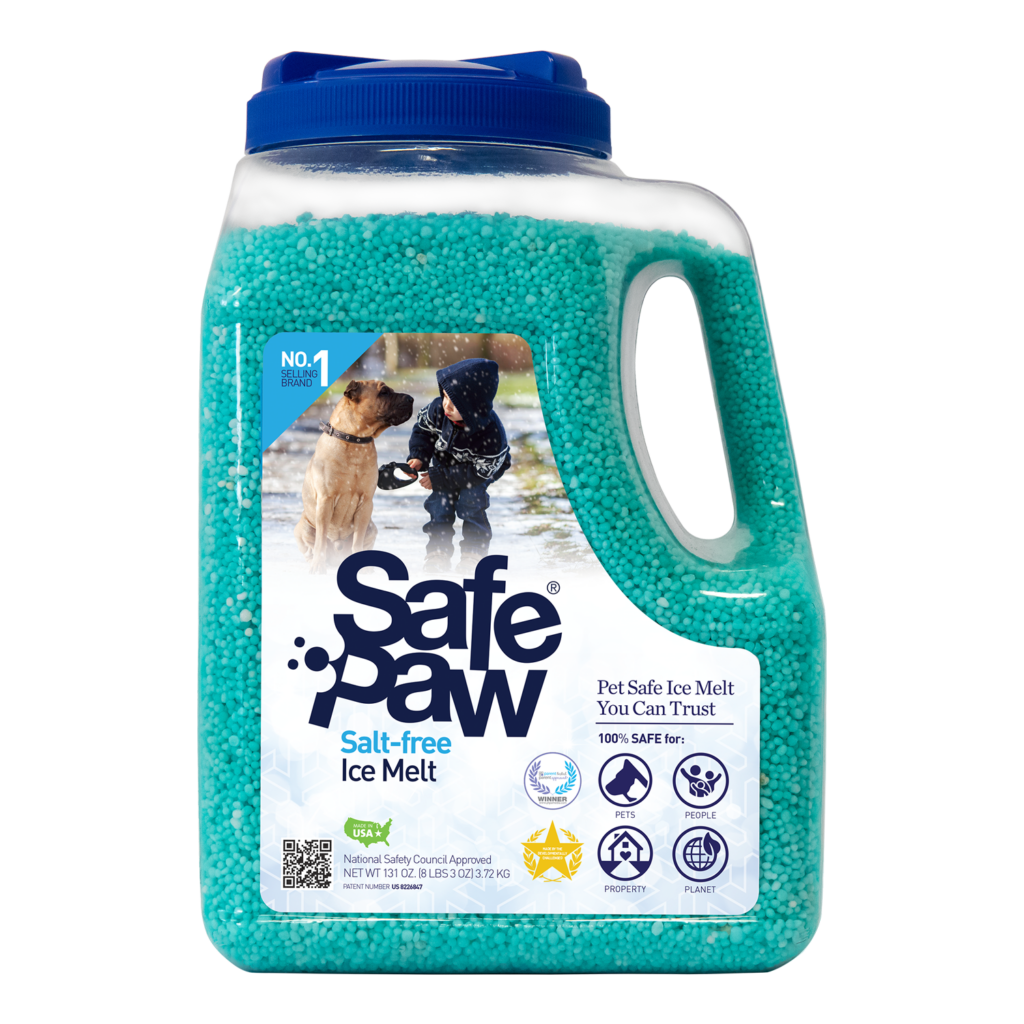
The Original and the #1 Pet and Child Safe Ice Melt for over 20 years. Guaranteed environmentally safe – will not harm waterways and sensitive wetlands. Safe Paw can change how winter affects our planet.
Safe Thaw
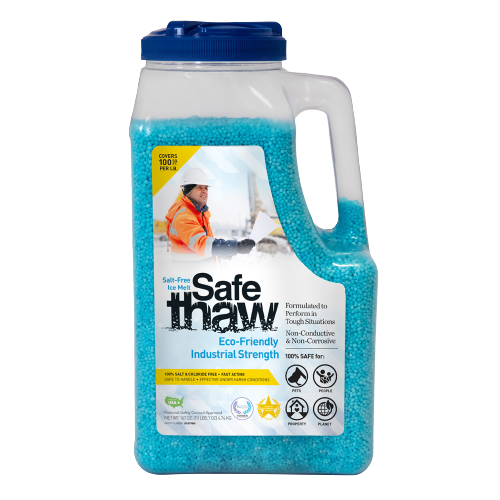
Imagine an ice melt you can put down and never worry about. It won’t harm pets, kids and your property. That’s Safe Thaw. Unlike anything else on the market, Ice and Snow Management You Can Trust.