
5 Reasons Why You Shouldn’t Use Sand To Melt Ice

Sand does not melt ice because it does not meaningfully lower water’s freezing point. It is an abrasive material that can temporarily improve traction on an icy surface. However, sand may be displaced, covered by new snow, tracked indoors, or washed into drains and nearby waterways. Use it selectively when temporary grip—not ice melting—is the objective.
The Dangers of Traditional Ice Melts
Many people turn to traditional ice melts, often made from salts and chemicals, as a solution. While they can effectively melt ice, these substances can harm your concrete surfaces over time, leading to costly repairs. Additionally, they pose risks to pets if ingested and can have harmful environmental impacts.
Get ready for winter with Traction Magic instant grip on snow and ice
Key Takeaways
- Sand adds friction but does not melt ice.
- It works best as a temporary traction aid on top of exposed ice.
- New snow or freezing rain can cover the sand and reduce its usefulness.
- Loose sand may be tracked indoors or washed into drains.
- Sand should be swept up after the ice has cleared.
- Choose between an abrasive and a deicer based on whether the goal is grip, melting, or both.
Traction, Deicing, and Anti-Icing Are Different
Traction
Traction materials such as sand or mineral grit add friction to the surface. They do not necessarily melt or remove the ice.
Deicing
A deicer is applied after ice has formed. It helps weaken or melt the bond between the ice and the surface under suitable temperature and application conditions.
Anti-icing
Anti-icing is a preventive treatment applied before or near the start of a storm to help prevent snow and ice from bonding strongly to pavement.
Snow removal
Shoveling, sweeping, or plowing physically removes snow. It should generally precede the targeted application of a traction material or deicer.
Pros and Cons of Using Sand on Ice
| Pros | Cons |
| Adds temporary surface friction | Does not melt ice |
| Can work immediately when placed on exposed ice | May be covered by new snow or freezing rain |
| Can be useful where melting is not the immediate objective | Can be scattered by traffic or wind |
| Is widely available | Can be tracked indoors |
| Can supplement other winter-maintenance methods | Requires cleanup after the storm |
| May reduce reliance on deicer in some situations | Runoff can carry sediment into catch basins or waterways |
Important Limitations
- Sand does not remove the underlying ice.
- A treated surface can remain slippery even when sand is visible.
- Apply only enough material to create useful surface friction.
- Additional precipitation may cover the material.
- Sweep up loose material after conditions improve.
- Keep excess sand away from drains and drainage channels.
- Fine airborne dust should be minimized during bulk handling.
- Check whether the material is appropriate for nearby floors, drains, vegetation, and porous pavement.
The Misconception: Does Sand Melt Ice?
First, we need to debunk a common myth: sand does not melt ice. While sand can provide a bit of traction on icy surfaces due to its gritty nature, it doesn’t have ice-melting properties. Moreover, it can easily be blown away and, once the ice melts, the leftover sand can turn your yard or driveway into a messy quagmire. Therefore, if you’re thinking of using sand to melt ice– stop there.
Comparison Table
| Method | Primary function | Melts ice? | Adds immediate grip? | Main limitation |
| Sand | Temporary traction | No | Yes | Cleanup and sediment runoff |
| Coarse mineral traction material | Temporary traction | No | Yes | Can be displaced or covered |
| Non-slip mat | Localized traction | No | Yes | Covers only a limited area |
| Chloride-based deicer | Deicing | Yes, within operating conditions | Not its main function | Surface, corrosion, and runoff considerations |
Top 5 Reasons Not To Use Sand To Melt Ice
1. It Does Not Melt Ice– Sand is used to build traction and not melt ice. The moment it absorbs the excess water, it becomes muddy and slushy, making it difficult for us to walk. It sticks to the shoes and traces inside the house or building, creating difficulty to clean the mess. It is not one of the most environmentally friendly ice melt products as it is only used for traction and not melting the ice.
2. Choking Hazard– It may affect your lungs because trace materials will travel to your lungs when you use sand in bulk and cause a slight choking sensation. In addition, it might prove harmful to pets, kids, and adults alike.
3. Clearing Problem– After the water dries up or the moisture evaporates, the excessive sand around your house or commercial establishment will travel with the wind and enter your home or office, making it dusty. It seeps inside the pores of your carpet, grooves of your windows and doors, and gets stuck on your car’s AC vents too.
4. Blocks Gutters– When you sweep the sand towards the gutters or drains, it is highly possible to block the vents, making it difficult for the water to flow. It piles up inside the gutter or drain and is difficult to remove.
5. Harms Vegetation– Excessive sand does not help or add any value to the vegetation or landscape of your home or office. It does not provide any nutritional value to the soil as it covers the topsoil that can have the ability to absorb moisture and boost plant growth. With sand, the plant growth gets stunted.
Get ready for winter with Traction Magic instant grip on snow and ice
Traction Magic: Creating Instant Traction
For traction, instead of using sand or kitty litter, consider Traction Magic. This product is a 100% natural traction agent that works instantly, providing secure footing on all icy surfaces. Whether it’s your sidewalk, steps, or even your car tires, Traction Magic offers immediate traction.
Traction Magic is made from a blend of natural volcanic rock and seven other minerals. It absorbs the liquid layer on ice, allowing the grippers to lock onto the ice and create a stable, non-skid surface. It’s safe for plants, pets, and won’t damage property – the perfect alternative to sand.
Related Article Links
- How to improve traction on icy walkways
- Traction materials versus ice melters
- How to remove snow before treating ice
- What to use on new concrete for traction
- How black ice forms on sidewalks
- How winter runoff affects drains and waterways
- Temporary and permanent anti-slip methods
Conclusion
While many people use sand, thinking it is a better alternative to ice melt; however, it is advisable only to use proprietary traction agents. Traction Magic can absorb water and build traction for a more extended period, making it a better alternative to sand.
If you wonder does concrete melt with Traction Magic, it does not. However, using sand does not prove good for the environment, kids, pets, and even you.
FAQs
Other Ice Melt Products
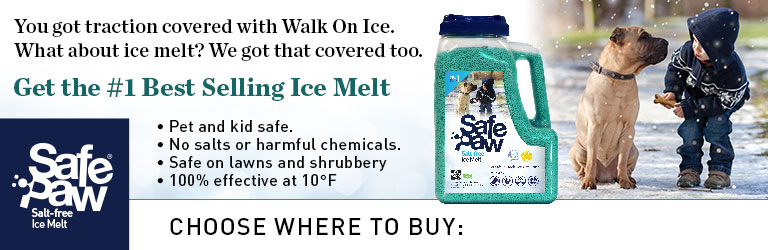
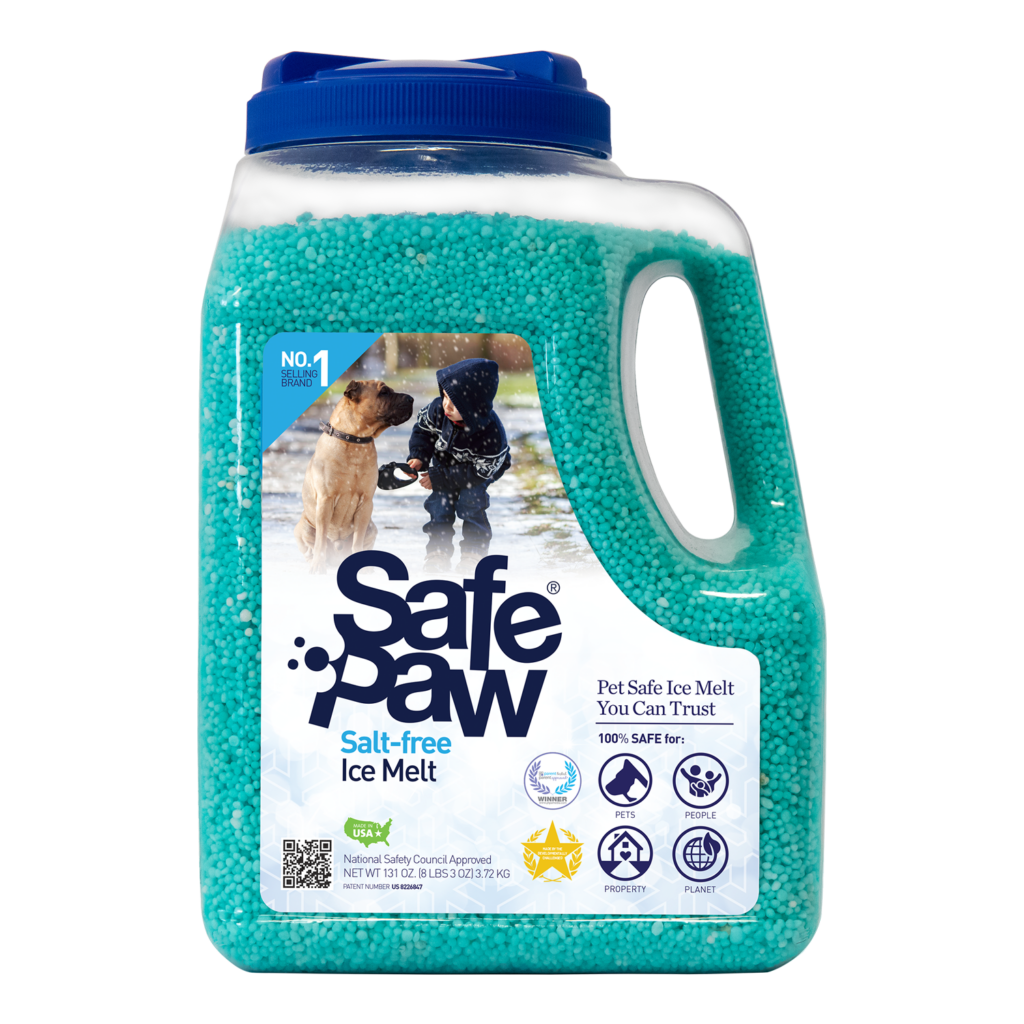
Safe Paw
The Original and the #1 Pet and Child Safe Ice Melt for over 20 years. Guaranteed environmentally safe – will not harm waterways and sensitive wetlands. Safe Paw can change how winter affects our planet.
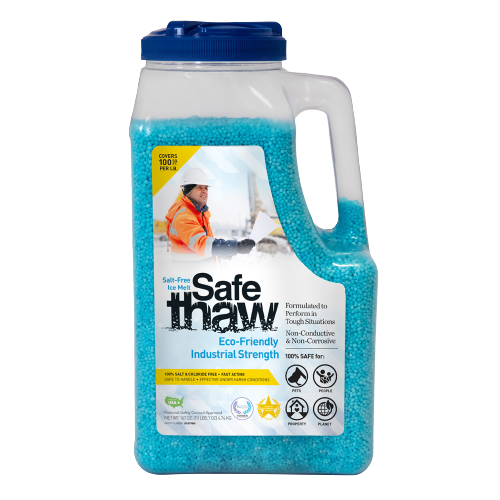
Safe Thaw
Imagine an ice melt you can put down and never worry about. It won’t harm pets, kids and your property. That’s Safe Thaw. Unlike anything else on the market, Ice and Snow Management You Can Trust.