
Sand vs Kitty Litter for Ice Traction: Which Is Better?
Sand vs. Kitty Litter for Traction: Quick Answer
Sand is generally the more practical choice for adding temporary traction across icy walkways, driveways, and similar outdoor surfaces. Kitty litter can also provide localized traction in an emergency, particularly around the drive wheels of a vehicle stuck in snow or ice. Neither material should be treated as an ice melter—they primarily add friction to a slippery surface rather than remove the underlying ice.
This framing is supported by transportation guidance. NHTSA specifically identifies both sand and kitty litter as abrasive materials that can be carried in a vehicle, while transportation agencies routinely describe sand as an abrasive used for surface traction. (NHTSA)
Sand and kitty litter are both popular options for traction. They’re relatively inexpensive, but there are some key differences between the two. Many people think that using their best deicer for concrete is the only solution to deal with snow and ice. Not everyone knows that there are traction agents other than your best cat litter for snow traction and sand.
Key Takeaways
- Sand is primarily a traction material, not an ice melter.
- Kitty litter can provide temporary, localized traction, including around vehicle tires in an emergency.
- Sand is generally more suitable for spreading across larger icy areas such as walkways and driveways.
- Remove loose snow before applying traction material whenever practical.
- Both materials may need reapplication if traffic, wind, snow, or melting water moves them away from the icy surface.
- Sweep up excess material after conditions improve, particularly where runoff can carry sediment into drains.
Does Kitty Litter Get You Out of Snow?
Kitty litter is often hailed as a versatile household item, and many people wonder if it can be used to get a stuck vehicle out of snow. The answer is yes, to some extent. Kitty litter can provide traction on packed snow or ice, which may help your tires grip the road and get your vehicle moving again. However, it’s not a miracle solution and may not work as effectively as other dedicated traction aids.
Pros and Cons of Kitty Litter:
The pros and cons of using kitty litter for snow traction include:
- Kitty litter is more expensive.
- Kitty litter is messier. It’s easier to track kitty litter out of the box than sand, which means that it’s also easier to make a mess of your floors and carpets if you’re not careful when handling it (and even if you are).
A. Traction vs. Ice Melting: What’s the Difference?
Traction and deicing solve different winter problems. A traction material adds friction between footwear or tires and a slippery surface. A deicer is intended to loosen, prevent, or melt ice. Sand is an abrasive traction material and does not melt snow or ice. Kitty litter should likewise be treated as a temporary traction aid rather than as an ice-melting material.
North Dakota DOT explicitly states that sand alone does not melt ice or snow and is used to provide roadway traction. (NDDOT)
B. Where Sand Works Best
Sand is most useful where temporary surface grip is needed over a relatively broad area, such as a walkway, driveway, packed-snow surface, or icy pedestrian route. It works by creating an abrasive layer between the ice and shoes or tires. Because it does not remove the ice itself, its effectiveness depends on the particles remaining on the surface.
Massachusetts transportation guidance similarly describes sand as inexpensive and effective for traction while noting that it does not melt snow or ice. (Massachusetts Government)
C. Where Kitty Litter Can Be Useful
Kitty litter can be useful as an emergency traction material, especially when a vehicle is stuck. After clearing loose snow from around the drive wheels, a small amount of litter may provide additional friction at the tire-contact area. Because kitty litter formulations vary, it is better described as an emergency or localized traction option rather than a standardized winter surface treatment.
NHTSA recommends carrying abrasive material such as sand or kitty litter, and NCDOT specifically suggests spreading cat litter or sand around drive wheels after clearing snow. (NHTSA)
D. Cleanup and Reapplication
Traction materials do not necessarily remain where they are applied. Foot traffic, vehicle traffic, wind and melting water can move loose particles away from the slippery area. Check the surface periodically and reapply only where additional grip is needed. After the ice has cleared, sweep up remaining material where practical.
Massachusetts notes that sand can lose traction and require removal, while municipal winter guidance recommends sweeping excess sand so sediment does not enter waterways or drainage systems. (Massachusetts Government)
E. What Neither Material Can Do
Sand and kitty litter can improve friction, but they do not eliminate the underlying ice. If the objective is to melt or loosen an ice layer rather than simply improve grip, a traction material and an ice-melting method should be treated as two different tools.
What Is Sand Used For in Snow?
Sand serves various purposes when dealing with snow and ice:
- Traction: Sand is spread on roads, driveways, and sidewalks to provide traction on icy surfaces, reducing the likelihood of slipping or skidding.
- Weight: In some cases, sand is used in vehicles or spread in the bed of trucks to add weight and improve stability when driving on icy roads.
- Abrasion: Sand can be used to create friction and break down ice or snow, making it easier to remove with plows or shovels.
Pros & Cons Tables
| Material | Advantages | Limitations |
| Sand | Commonly used for winter traction; inexpensive; suitable for broader outdoor areas; continues functioning as an abrasive in low temperatures | Does not melt ice; particles can move away from the treatment area; may require reapplication; excess material requires cleanup |
| Kitty litter | Easy to keep as an emergency material; can add localized grip around vehicle tires; readily usable when a vehicle becomes stuck | Does not remove the underlying ice; composition and particle characteristics vary; less standardized as a winter surface treatment |
| Both | Can provide temporary friction without relying on ice melting | Traction is temporary and depends on the material remaining between the icy surface and shoes or tires |
Important Limitations
Traction materials do not remove the underlying ice. Sand and kitty litter can make an icy area easier to cross by adding friction, but conditions can change as particles move, snow accumulates, or the surface begins to melt and refreeze. Remove loose snow first when possible, apply only where additional grip is needed, and reassess the surface after weather or traffic conditions change.
Excess sand should be swept up when conditions improve because loose material can enter drains and contribute sediment to runoff.
The cleanup recommendation is supported by municipal and state guidance. (Massachusetts Government)
Is Sand or Kitty Litter Better for Traction?
Now, let’s delve into the heart of the matter: Is sand for traction on ice or kitty litter better for traction on ice or snow? The effectiveness of each option depends on the situation.
- Sand: Sand is often used for traction on icy roads and sidewalks. It provides a gritty surface that enhances traction by increasing friction between tires or shoes and the slippery surface. Sand is particularly useful for creating traction on flat surfaces.
- Kitty Litter: Kitty litter, especially the non-clumping clay variety, can also improve traction on snow or ice. It has an absorbent nature that can help with minor moisture, making it effective for shallow, slushy, or icy areas. Kitty litter is easy to spread and can provide some grip.
How to Use Sand or Kitty Litter When a Car Is Stuck
- Clear loose snow from in front of and behind the drive wheels.
- Keep the wheels as straight as practical.
- Spread a small amount of sand or kitty litter where the drive tires contact the surface.
- Accelerate gently rather than spinning the wheels.
- Add more traction material only where necessary.
This broadly follows current NCDOT winter-driving guidance. (NCDOT)
Sand vs. Kitty Litter for Ice Traction: Side-by-Side Comparison
| Factor | Sand | Kitty Litter |
| Primary function | Adds friction | Adds localized friction |
| Melts ice | No | No |
| Walkways | Suitable for temporary traction | Possible, but less standardized |
| Driveways | Suitable for broad treatment | Better for localized use |
| Stuck vehicle | Useful around tires | Useful around tires |
| Emergency vehicle kit | Suitable | Suitable |
| Large-area application | More practical | Less practical |
| Requires cleanup | Yes | Yes |
| Reapplication may be needed | Yes | Yes |
| Material consistency | Relatively standardized as traction sand | Varies considerably by litter type |
Get ready for winter with Traction Magic instant grip on snow and ice
What Can I Use For Traction On Ice?
Aside from sand and kitty litter, several other traction aids are available:
- Traction Magic: Traction Magic is a natural volcanic rock-based product designed specifically for improving traction on icy and snowy surfaces. It creates an anti-slip surface that helps tires grip the road more effectively. It’s safe for pets, plants, and surfaces, making it a versatile and eco-friendly choice.
- Rock Salt: Rock salt, or road salt, is a commonly used ice-melting agent. While it can melt ice, it doesn’t provide traction. In fact, it can make surfaces even more slippery once the ice begins to melt.
Traction Agent That Has The Pros of Both Sand and Kitty
While Safe Thaw is the best deicer for concrete, Traction Magic is the best traction agent for concrete. Here’s why:
Traction Magic comprises natural volcanic rock and seven other minerals that are 100% environment-friendly and can be used on your driveway or snow-covered roof.
It is not messy, does not stick to the shoes, does not block sewers or gutters, and seamlessly mixes with soil. It acts as a conditioner for plants as well.
Traction Magic helps to build excellent traction on any slippery surface because they instantly absorb water and allow the grippers to lock into the ice, creating a non-skid surface. The best part- it is cost-effective too. It is used in 1/8 of what you would use of sand or kitty litter.
Get ready for winter with Traction Magic instant grip on snow and ice
Conclusion
The bottom line is that both can be used- sand as well as your best cat litter for snow traction. However, it depends on what you’re looking for. If you want something that’s easy to find and store, then kitty litter might be better. But if your budget allows it or you have a large area to cover with your traction product, then sand would be my recommendation. But if you want to avoid the cons of both- you have Traction Magic. I hope this article has helped you decide which one works best for your needs!

FAQs
Related Winter Traction Guides
- How to improve tire traction on snow and ice
- Ice traction options for driveways and sidewalks
- Ice melt vs. traction agents: understanding the difference
- Winter traction options for new concrete
- How to prepare a vehicle for winter driving
- How to improve traction when a vehicle is stuck
- Sand and other abrasive materials for winter traction
Other Ice Melt Products
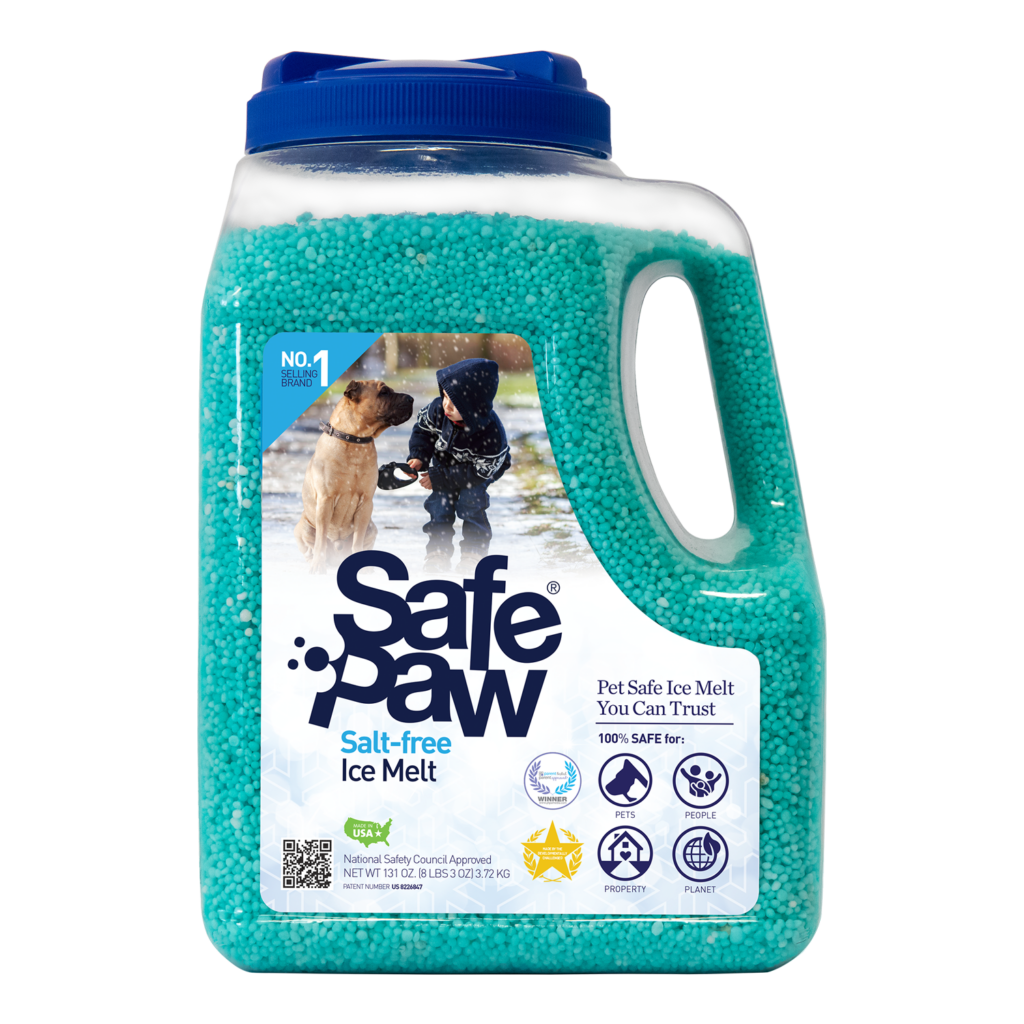
Safe Paw
The Original and the #1 Pet and Child Safe Ice Melt for over 20 years. Guaranteed environmentally safe – will not harm waterways and sensitive wetlands. Safe Paw can change how winter affects our planet.
Safe Thaw
Imagine an ice melt you can put down and never worry about. It won’t harm pets, kids and your property. That’s Safe Thaw. Unlike anything else on the market, Ice and Snow Management You Can Trust.