
3 Reason You Should NOT Use Ice Cleats
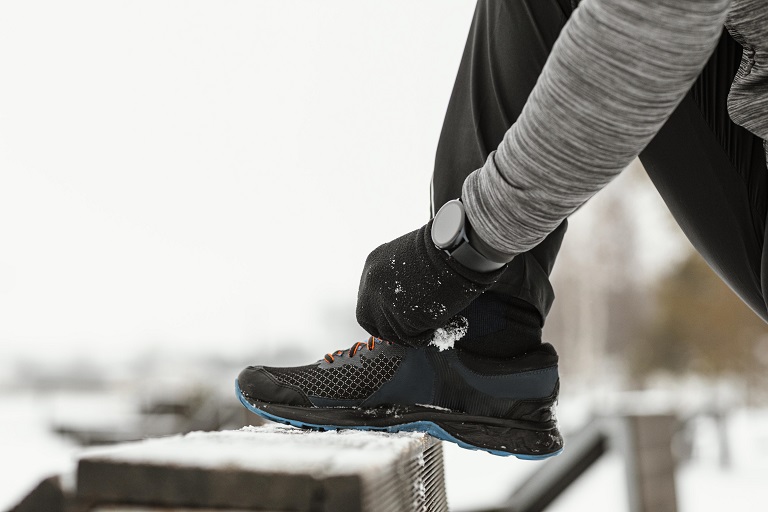
Ice cleats can improve traction on ice, but they are not ideal for every surface or situation. Traditional metal-spike cleats may provide poor footing on smooth hard surfaces, can scratch some flooring, and often need to be removed when moving indoors. Their effectiveness also varies by design, fit, surface condition, and intended use. The best winter traction method therefore depends on where and how you are walking.
You’ve seen them in movies and on TV: a person strapped into crampons with metal spikes that dig into the ice. They make it seem like there’s no way you can’t keep your balance on the ice, but that’s not always true. We’re going to look at three reasons why using ice cleats for boots might not be the best idea for you.
Ice cleats can improve traction on ice, but they are not ideal for every surface or situation. Traditional metal-spike cleats may provide poor footing on smooth hard surfaces, can scratch some flooring, and often need to be removed when moving indoors. Their effectiveness also varies by design, fit, surface condition, and intended use. The best winter traction method therefore depends on where and how you are walking.
Key Takeaways About Ice Cleats
- Ice cleats can improve traction on ice and packed snow when used in appropriate conditions.
- Traditional metal-spike designs may be less suitable for smooth indoor floors and some bare hard surfaces.
- Cleat performance depends on the design, fit, walking surface, ice conditions, and activity.
- Some cleats need to be removed when moving between icy outdoor areas and indoor flooring.
- Ice cleats are one winter traction option; footwear, surface treatment, snow removal, and surface traction materials may be more practical in other situations.
Do Ice Cleats Work?
Ice cleats are designed to increase grip by adding studs, spikes, coils, or other traction elements beneath footwear. They can improve traction on icy surfaces, but performance varies by design and surface. Independent testing has found meaningful improvement in ice traction from multiple types of cleats, while safety guidance emphasizes selecting footwear appropriate to the particular walking condition. (Consumer Reports)
3 Reasons You Should NOT use Ice Cleats for Boots
1. They Are Not Suitable for Every Walking Surface
Ice cleats are primarily intended to create traction on snow or ice. Traditional metal studs or spikes may have little material to grip when they contact smooth, hard surfaces such as tile or polished flooring. Some designs can therefore become less stable during surface transitions and may also scratch certain floors or paving materials. (Consumer Reports)
Get ready for winter with Traction Magic instant grip on snow and ice
2. Performance Depends on Design, Fit, and Conditions
Ice cleats are not one standardized type of footwear. Stud shape, tread design, placement, fit, ice conditions, slope, and walking surface can all affect traction. Research into winter footwear has found that outsole design characteristics can significantly affect slip resistance under icy conditions. (CDC Stacks)
3. Indoor and Outdoor Transitions Can Be Inconvenient
Many traditional removable ice cleats are intended mainly for snow and ice. When users repeatedly move between outdoor ice and smooth indoor flooring, the cleats may need to be removed and reapplied. This makes them less convenient for routines involving frequent changes in walking surface.
Get ready for winter with Traction Magic instant grip on snow and ice
Pros and Cons of Ice Cleats for Winter Walking
| Ice Cleat Advantages | Ice Cleat Limitations |
| Can increase grip on ice and packed snow | Performance varies by design and walking surface |
| Removable and portable | Some designs should be removed on smooth indoor floors |
| Available in different configurations for different activities | Metal studs may scratch some floors or paving |
| Can supplement winter footwear in suitable conditions | Repeated removal and reattachment can be inconvenient |
| Useful where untreated ice cannot immediately be avoided | They do not eliminate the possibility of slipping |
Independent testing supports the point that cleats can improve traction while still having meaningful surface limitations. (Consumer Reports)
Ice Cleats vs Other Winter Traction Options
| Option | Best suited for | Main advantage | Main limitation |
| Ice cleats | Outdoor ice and packed snow | Adds traction directly beneath footwear | May be unsuitable for some hard or indoor surfaces |
| Winter footwear with traction-focused outsole | Everyday winter walking | No separate attachment required | Traction varies significantly by outsole and conditions |
| Surface traction material | Steps, entrances, walkways and driveways | Adds grip to the walking surface | May require reapplication |
| Deicing approach | Areas where reducing ice buildup is the main goal | Addresses the icy surface itself | Effect depends on conditions and the method used |
Important Limitations When Using Ice Cleats
Ice cleats are traction aids rather than a guarantee against slipping. Use a device only on surfaces and in conditions for which it is designed. Check fit before walking, pay attention when the walking surface changes, and follow the instructions for the specific traction device. Traditional metal-spike cleats may need to be removed before walking on smooth indoor flooring.
Winter walking safety also depends on maintaining walkways, selecting appropriate footwear, and adjusting walking speed and stride to conditions. OSHA recommends footwear with good traction as well as shorter steps and a slower walking pace when snow or ice cannot be avoided. (OSHA)
Frequently Asked Questions About Ice Cleats
Conclusion
We hope that you have enjoyed reading this article and that we have convinced you that ice cleats are not the best choice for walking or driving on snow and ice. If you are still not convinced, then perhaps we can recommend some alternatives like using a traction agent instead! Traction Magic is 100% natural and provides increased traction for walking on ice. You can also use it on your car tires if your car gets stuck in snow or not climbing on your inclined driveway.
Get ready for winter with Traction Magic instant grip on snow and ice
Related Articles
Other Ice Melt Products
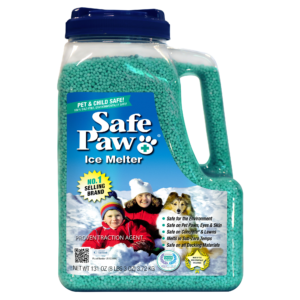
Safe Paw
The Original and the #1 Pet and Child Safe Ice Melt for over 20 years. Guaranteed environmentally safe – will not harm waterways and sensitive wetlands. Safe Paw can change how winter affects our planet.
Safe Thaw
Imagine an ice melt you can put down and never worry about. It won’t harm pets, kids and your property. That’s Safe Thaw. Unlike anything else on the market, Ice and Snow Management You Can Trust.