
5 Easy Ways To Improve Tire Grip In The Winter
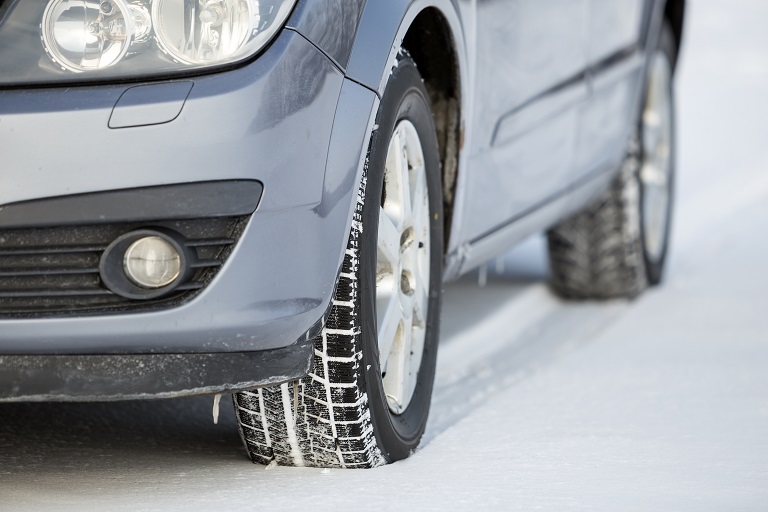
To improve tire grip in winter, use tires suited to cold and snowy conditions, maintain the vehicle manufacturer’s recommended cold tire pressure, consider approved tire chains or snow socks when conditions require them, keep sufficient tread depth, and drive smoothly at a reduced speed. No single method can eliminate the risks of snow or ice, so tire preparation and cautious driving should be used together.
Before driving on snow and ice-covered roads, drivers should be aware of a few possibilities like winter tires, traction agents, non-toxic ice melt with traction, snow grippers for tires, and snow socks, to name a few.
Traction Agent
Keeping a can of traction agent in your vehicle is always a good idea. You can rub it on each tire’s tread to increase traction before driving on slippery ice or snow. If a driver is stuck and unable to move, a small amount of this can be put on each tire and ahead of them to at least start the car moving again.
Key Takeaways
- Winter tires are designed for cold conditions and generally provide better winter grip than tires not intended for those conditions.
- Tire pressure should be checked when the tires are cold and adjusted to the vehicle manufacturer’s specification.
- Tire chains and snow socks are temporary aids for particular conditions, vehicles and roads.
- Siping may increase the number of tread edges, but suitability depends on the tire and should be evaluated professionally.
- Slower speeds, longer following distances and smooth steering, braking and acceleration remain essential.
- Black ice can be difficult to see, especially on bridges, overpasses and shaded sections of road.
5 Ways to Improve Tire Grip in Winter
- Use tires suited to winter conditions.
Winter tires use tread designs and compounds intended for cold, snowy and icy conditions. - Maintain the recommended tire pressure.
Check pressure when the tires are cold and use the specification on the vehicle placard or in the owner’s manual. - Use compatible chains or snow socks when appropriate.
Confirm vehicle compatibility, installation instructions and applicable road conditions before use. - Evaluate tread and siping.
Adequate tread is important for moving water and slush. Any aftermarket siping should be assessed by a qualified tire professional. - Drive smoothly and reduce speed.
Leave more following distance and avoid sudden acceleration, braking or steering.
Pros and Cons Table
| Method | Advantages | Limitations |
| Winter tires | Designed for cold and winter road conditions; suitable for ongoing seasonal use | Require seasonal purchase, fitting and storage |
| Tire chains | Can add substantial traction on snow or ice | Temporary; installation takes practice; compatibility and use conditions vary |
| Snow socks | Lightweight and generally easier to store | Temporary; durability and permitted use vary |
| Tire siping | Adds more tread edges | Results depend on tire design; may not be suitable for every tire |
| Traction material | May help a stationary vehicle start moving on a slippery surface | Temporary assistance; not a substitute for suitable tires or careful driving |
| Adjusted driving | Requires no extra equipment | Cannot overcome severe ice, poor visibility or unsuitable tires |
Warnings and Limitations
- No tire, chain, snow sock or traction material can guarantee grip on snow or ice.
- Do not intentionally lower tire pressure to seek more traction unless the vehicle manufacturer specifically instructs otherwise.
- Use the pressure shown on the vehicle placard or in the owner’s manual, not the maximum pressure printed on the tire sidewall.
- Confirm that chains or snow socks are compatible with the vehicle, tire size and wheel clearance.
- Temporary traction material may help a stationary vehicle move, but it does not provide continuous road traction.
- Avoid sudden acceleration, steering or braking on slippery surfaces.
- If road or weather conditions are severe, delay travel where possible.
How to Make Tires Grip Better in Snow?
Improving tire grippers in snow involves several methods:
Snow Grip Tires: Consider investing in snow grip tires, also known as winter tires, which are designed specifically for cold weather and snowy conditions. They have a different tread pattern and rubber compound that provides better traction on snow and ice.
Tire Chains: Tire chains are physical traction devices that you can attach to your tires when driving in snow or icy conditions. They enhance grip significantly but are typically used in extreme winter conditions.
Tire Siping: Siping involves cutting thin slits across the tire’s tread blocks to increase the number of edges that come into contact with the road. This enhances traction on slippery surfaces.
Proper Tire Pressure: Maintaining the correct tire pressure is crucial. Underinflated tires reduce grip, while overinflated tires can cause less contact with the road.
Drive Cautiously: Adjust your driving behavior in winter conditions. Drive at a slower speed, avoid sudden acceleration or braking, and maintain a safe following distance.
Tire Selection
The treads on your tires are the first item to consider when trying to gain extra traction on snowy, icy roads. It is advisable that your tire tread measures 6/32-inch deep under snowy conditions. Do check the tire pressure regularly during the winter months.
One can invest in snow tires, also known as winter tires if they live in a location where snow is a common occurrence. Always check for a sign with a snowflake on the mountain when purchasing winter tires. It indicates that the tire complies with tire industry safety standards.
Get ready for winter with Traction Magic instant grip on snow and ice
Siping
Another element to look for in tires that will improve traction is siping. Cutting thin slits on the rubber surface is known as siping. Winter tires include thousands of sipes, which is one of the reasons they are suggested in locations where snowfall occurs frequently throughout the winter.
Is Siping Tires Worth It?
Tire siping can be worth it if you frequently drive in snowy or icy conditions. Siped tires provide better traction on slippery surfaces, making them a valuable investment for safety. However, the effectiveness of siping may vary depending on the tire and driving conditions.
Comparison Table
| Method | Best suited to | Duration | Installation or preparation | Principal limitation |
| Winter tires | Regular driving in sustained cold or snow | Seasonal | Professional fitting commonly used | Cost and seasonal storage |
| Tire chains | Severe snow or ice where appropriate | Temporary | Must be fitted correctly | Speed, clearance and use restrictions |
| Snow socks | Temporary assistance on snow | Temporary | Wrap around driven tires | Wear and permitted-use differences |
| Siping | Increasing tread-edge density | Tire-dependent | Professional assessment recommended | Not suitable for every tire |
| Traction material | Helping a stationary vehicle begin moving | Very short-term | Applied near the driven tires | Does not replace road-going traction equipment |
Snow Grippers For Tires
Snow grippers are often available in pairs and recommended for use on drive wheels to provide grip on icy or snowy roadways. They come in several shapes and sizes to fit a variety of tire types.
You should be aware that using these will prevent you from reaching speeds of more than 30 miles per hour. They can impair the vehicle’s fuel efficiency, but they do provide improved grip in the winter.
Autosock
It is a snow-chain-free alternative. Because snow chains are not permitted in all places, the AutoSock is another option for adding grip to your tires. However, it is not the right accessory for speeds above 30 miles per hour.
Get ready for winter with Traction Magic instant grip on snow and ice
Traction Tires
What Is a Traction Tire?
A traction tire is a tire designed with an emphasis on providing better grip on the road. These tires typically have a tread pattern and rubber compound optimized for specific driving conditions, such as wet, icy, or off-road terrains. They aim to enhance traction and control.
Are Traction Tires the Same as Snow Tires?
Traction tires are not necessarily the same as snow tires, although both are designed to enhance grip. Snow tires, also known as winter tires, are optimized for cold weather and snowy conditions. Traction tires may refer to a broader category of tires designed for better grip in various conditions, including wet and icy roads.
Do Winter Tires Have Better Traction?
Yes, winter tires have better traction on snow and ice compared to all-season tires. Winter tires are designed with a tread pattern that grips snowy and icy surfaces more effectively. They also remain flexible in cold temperatures, which further improves traction.
Snow Ice Traction and the Danger of Black Ice on Roads
While optimizing snow ice traction through tire modifications like siping or switching to winter tires is helpful, many drivers underestimate a silent winter threat: what is black ice on the road. You can prepare all you want, but if you don’t understand what black ice on the road is—or when it’s most likely to appear—you might still end up in a slide or spinout.
The Hidden Black Ice on Roads
So, what is black ice on roads? It’s a nearly invisible layer of ice that forms when water from melted snow, rain, or condensation quickly freezes on a cold road surface. It’s called “black” ice because it takes on the color of the pavement underneath—making it incredibly hard to detect. There’s no snow buildup, no frosty crust—just a glossy, slick surface that can send tires (and drivers) into panic mode.
When is black ice likely to occur on the road
You may wonder, when is black ice likely to occur on the road? Typically, black ice shows up in the early morning or late evening hours, especially when temperatures dip below freezing after moisture has settled. Bridges, overpasses, shaded areas, and low-traffic roads are high-risk zones for black ice formation. It often forms without warning and lingers longer in places that don’t receive direct sunlight.
Is black ice dangerous
And yes, is black ice dangerous?—even more so than visible ice or snow. Because drivers don’t see it coming, they often make sudden movements that lead to skidding, loss of control, or collisions. ABS, traction control systems, and winter tires all help—but nothing replaces the value of being prepared.
This is where a product like Traction Magic becomes essential. Instead of waiting until you’re stuck, sliding, or skidding to act, you can treat surfaces preemptively or in-the-moment with a natural, non-toxic traction agent. Simply apply it under your tires or on icy spots around your vehicle, and the mineral-based crystals get to work. They absorb the thin layer of water and embed themselves into the ice—instantly improving snow ice traction without harming your tires or driveway.
Are All-Season Tires Okay in the Snow?
While all-season tires provide decent performance in various conditions, including light snow, they are not as effective as dedicated snow grip tires or winter tires in heavy snow and ice. If you live in an area with harsh winters, investing in winter tires is advisable for the best traction and safety.
To sum up
From snow grip tires and siping to chains and grippers, improving your car’s traction is crucial in winter. But tire upgrades alone won’t protect you from the unpredictability of black ice. Understanding what black ice is, when it forms, and how to counteract it with smart tools like Traction Magic can be the difference between safe travels and roadside emergencies. This winter, combine the best of tire tech with real-time traction solutions—and drive with confidence.
Related Article Links
- How to Identify Black Ice on Roads
- Winter Tires vs All-Season Tires
- How Cold Weather Affects Tire Pressure
- How to Use Tire Chains Correctly
- What to Keep in a Winter Vehicle Emergency Kit
- How to Get a Car Unstuck from Snow

FAQs
Other Ice Melt Products
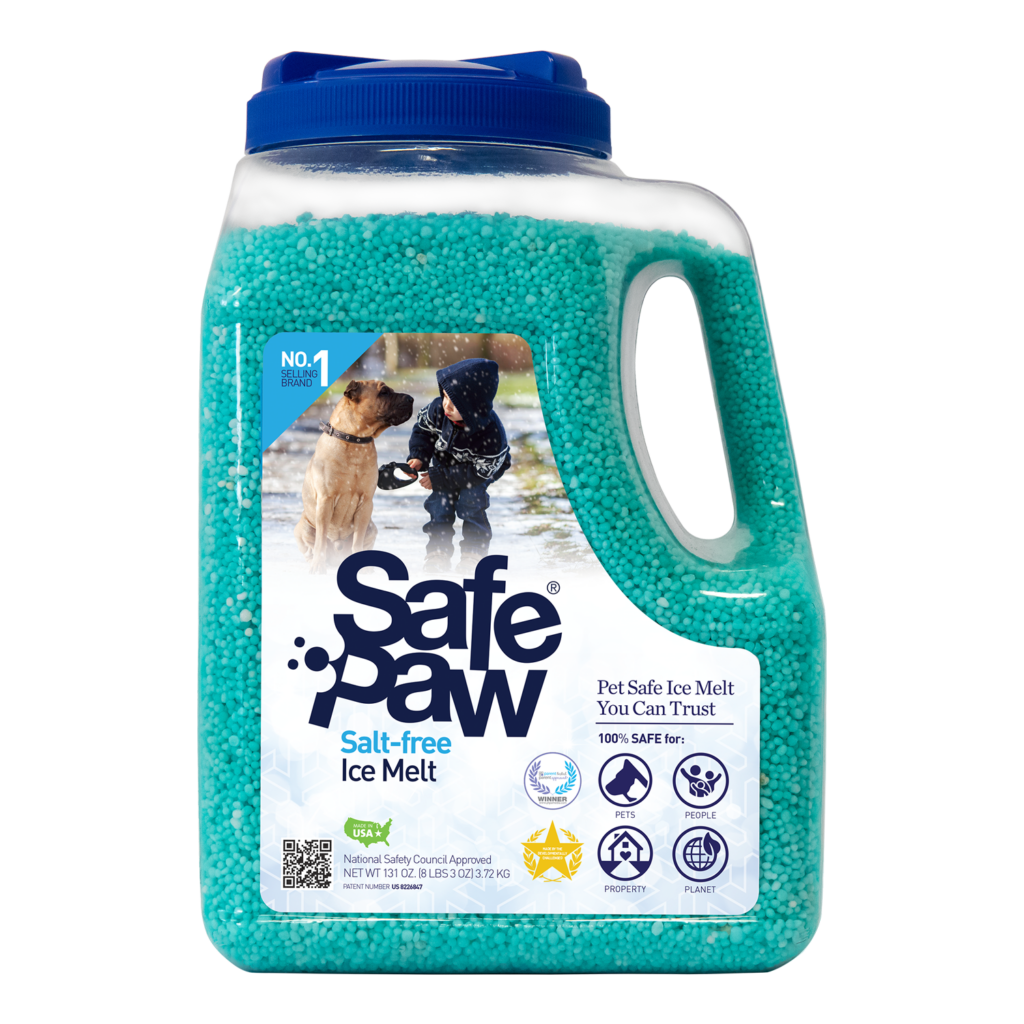
Safe Paw
The Original and the #1 Pet and Child Safe Ice Melt for over 20 years. Guaranteed environmentally safe – will not harm waterways and sensitive wetlands. Safe Paw can change how winter affects our planet.
Safe Thaw
Imagine an ice melt you can put down and never worry about. It won’t harm pets, kids and your property. That’s Safe Thaw. Unlike anything else on the market, Ice and Snow Management You Can Trust.