
Pros And Cons Of Using Salt On Street Roads During Winter

What Are the Pros and Cons of Road Salt?
Road salt, usually sodium chloride, helps manage icy roads by lowering the freezing point of water and helping break the bond between ice and pavement. Its main advantages are improved winter road conditions and easier snow and ice removal. Its limitations include reduced effectiveness at very low pavement temperatures, chloride runoff into water and soil, damage to roadside vegetation, and corrosion of metals and reinforced concrete. Whether road salt is appropriate depends on pavement temperature, storm conditions, application method, and the amount used.
WisDOT and MnDOT both identify approximately 15–20°F pavement temperature as the practical operating range for ordinary sodium chloride, with effectiveness dropping substantially below about 15°F. (Wisconsin DOT)
You’re probably familiar with road salt if you live in a city that gets a lot of snow and ice. Road salt is table salt in its natural state. On the other hand, table salt undergoes a lengthy purifying procedure, whereas rock salt does not. As a result, rock salt is brown or grey because it still contains impurities.
We all know that rock salt comes with huge disadvantages for property, vehicles, and the environment. For example, can we use it as an ice melter for new concrete even though it melts ice? No, we cannot. Let us understand more about rock salt’s advantages and numerous disadvantages.
Key Takeaways About Road Salt
- Road salt usually contains sodium chloride and works through freezing point depression.
- Salt forms a brine that helps loosen the bond between ice or packed snow and pavement.
- Sodium chloride becomes significantly less effective when pavement temperatures fall below about 15°F (-9.4°C). (Wisconsin DOT)
- Chloride from road salt can reach surface water and groundwater through runoff and infiltration. (USGS)
- Chloride exposure can contribute to corrosion of metals and reinforced concrete infrastructure. (Federal Highway Administration)
- Effective winter maintenance depends on using the appropriate material, amount, timing, pavement temperature, and mechanical snow removal method.
Why Pavement Temperature Matters
Road salt performance should be evaluated using pavement temperature rather than air temperature alone. Pavement temperature directly affects how quickly salt dissolves, forms brine, and melts ice. As the pavement becomes colder, sodium chloride works more slowly and melts progressively less ice.
Anti-Icing vs. Deicing
Anti-icing is performed before or near the beginning of a winter event to help prevent snow and ice from bonding strongly to the pavement. Deicing takes place after ice or compacted snow has formed and is intended to weaken or break that bond. Road salt and salt brine can be used differently depending on the maintenance strategy and weather conditions.
What Is Salt Brine?
Salt brine is a solution of salt and water used in winter road maintenance. It may be applied before a storm or used to pre-wet granular salt so that the material begins working sooner and is less likely to bounce or scatter from the roadway.
Explain abrasives separately
Materials such as sand provide friction rather than melting ice. They may be useful where immediate traction is needed, particularly when temperatures reduce the effectiveness of chemical deicers, but their effect is temporary and traffic can displace them.
Road salt effectiveness varies with:
- pavement temperature;
- snowfall intensity;
- freezing rain;
- traffic;
- wind;
- application rate;
- pre-wetting;
- pavement type;
- timing of application.
What Does Salt for Winter Do to Snow?
Salt, when applied to snow, initiates a process called salt dissolution. It works by lowering the freezing point of water, causing the snow and ice to melt at a lower temperature than they would under normal circumstances. This, in turn, helps turn the hazardous ice and snow on roads into slush, making it easier to plow and safer for vehicles to navigate.
Why Is Salt Used on Icy Roads?
The primary reason for using salt on icy roads is to improve road safety. By melting snow and ice, salt helps prevent or reduce the formation of dangerous ice patches that can lead to accidents and road closures. This makes winter travel significantly safer for motorists.
When Does Salt Not Work on Roads?
While road salt is effective in most winter conditions, it becomes less effective as temperatures drop. When the temperature falls below approximately 15°F (-9.4°C), salt’s ability to melt ice significantly decreases. In extremely cold conditions, alternative de-icing methods such as sand or ‘Traction Magic’ may be required.
Get ready for winter with Traction Magic instant grip on snow and ice
Road Salt vs. Table Salt
Road salt, often referred to as rock salt, is not the same as the table salt you use in your kitchen. Road salt consists of larger crystals and is more effective at breaking up ice on road surfaces.
Table salt, in contrast, is finer and dissolves more rapidly, making it less suitable for melting ice on roads.
Advantages Of Rock Salt
- Helps melt or loosen snow and ice from pavement.
- Helps prevent or weaken the bond between packed snow and the road.
- Makes mechanical plowing more effective in suitable temperature conditions.
- Can be used for both anti-icing and deicing strategies.
- Is familiar to highway maintenance agencies and widely used for winter road treatment.
Disadvantages Of Rock Salt
- Becomes substantially less effective at low pavement temperatures.
- Adds chloride to roadway runoff.
- Can increase chloride concentrations in surface water and groundwater.
- Can affect roadside soil and vegetation.
- Can accelerate corrosion of exposed metals.
- Chloride penetration can contribute to corrosion of reinforcing steel in concrete infrastructure.
- Excess application increases material use without necessarily producing proportional improvements in ice control.
Road Salt Pros and Cons at a Glance
| Factor | Advantage | Limitation |
| Ice control | Helps melt and loosen snow and ice | Performance drops as pavement temperature decreases |
| Snow removal | Helps prevent strong bonding between snow and pavement | Does not replace mechanical plowing |
| Availability | Commonly used in winter road maintenance | Application rates must be controlled |
| Infrastructure | Helps maintain usable winter road surfaces | Chlorides can contribute to corrosion |
| Environment | Supports winter mobility when appropriately applied | Chloride can enter soil, streams and groundwater |
| Vegetation | — | Elevated salt exposure can affect roadside vegetation |
| Very cold conditions | — | Sodium chloride becomes substantially less efficient below about 15°F |
Get ready for winter with Traction Magic instant grip on snow and ice
Important Limitations of Road Salt
Road salt does not perform equally under every winter condition. Pavement temperature, precipitation type, wind, traffic and application rate all affect results. Applying more salt does not necessarily compensate for very low temperatures, and excessive application increases the amount of chloride entering the surrounding environment.
- Use pavement temperature as a key reference: sodium chloride becomes substantially less effective below approximately 15°F.
- Salt is not a replacement for plowing: mechanical removal remains an important part of winter road maintenance.
- Abrasives do not melt ice: they primarily improve friction.
- More material is not always better: over-application can increase chloride loading without proportional performance gains.
- Environmental conditions matter: runoff pathways, drainage, nearby vegetation and water resources affect the potential impact.
Traction Magic Will Erase Your Worries
Traction Magic is salt-free and entirely safe for the environment. When you use Traction Magic, it starts working right away. As a result, it avoids falls on slick surfaces around your home or business or while driving, including your driveway, sidewalk, deck, and even your roof.
There is no safe chloride ice melter for new concrete, but this product will keep you safe from slip and fall and not damage your new concrete. In addition, it will not rust or damage any of your home’s or business components.
It reduces on-site injuries, accidents, and lawsuits. In addition, this traction agent will keep your business safe and accessible during winter.
Moreover, it gives your car tires quick traction on ice and snow; having Traction Magic in your automobile will provide you with stable footing during winter driving. Even though there are natural ways to melt ice, they can be ineffective and messy.

Conclusion
Unlike rock salt, there are no harsh chemicals or corrosive salts in Traction Magic that are known to be harmful to the environment. It acts as a fantastic soil conditioner and encourages tree and plant growth. It is free from toxic and corrosive ingredients.
FAQs
Related Winter Safety Guides
- How to Increase Traction on New Concrete
- Environmentally Conscious Snow and Ice Removal Methods
- How to Drive Safely on Icy Roads
- How Black Ice Forms
- How to Improve Tire Traction on Ice
- Anti-Icing vs. Deicing: What’s the Difference?
Other Ice Melt Products
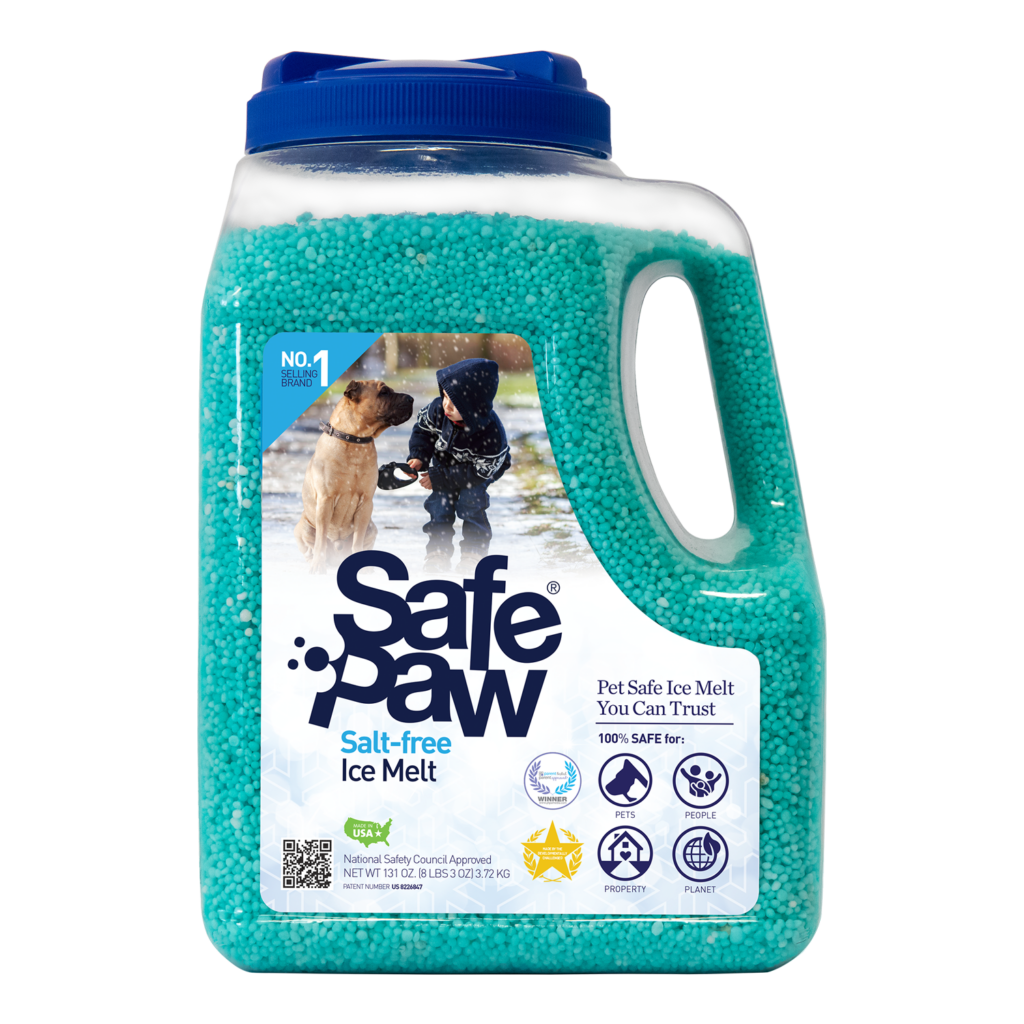
Safe Paw
The Original and the #1 Pet and Child Safe Ice Melt for over 20 years. Guaranteed environmentally safe – will not harm waterways and sensitive wetlands. Safe Paw can change how winter affects our planet.
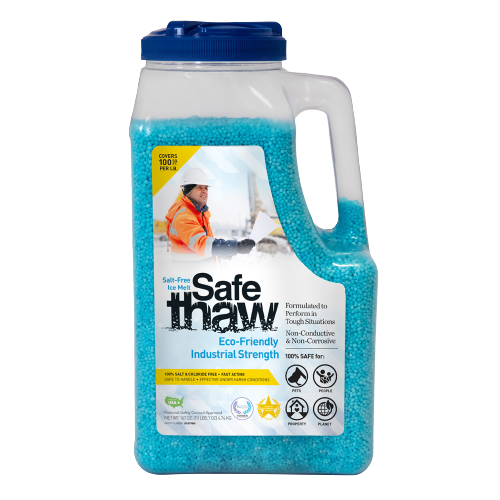
Safe Thaw
Imagine an ice melt you can put down and never worry about. It won’t harm pets, kids and your property. That’s Safe Thaw. Unlike anything else on the market, Ice and Snow Management You Can Trust.