
Crystallized Cat Litter For Ice Melt: Pros And Cons

In the quest for effective solutions to combat icy surfaces during winter, crystallized cat litter has been a topic of discussion. This article examines the use of crystallized cat litter for ice melt, addressing the primary question, “Does cat litter melt ice?” and explores an innovative alternative, Traction Magic.
Does Crystallized Cat Litter Melt Ice?
Crystallized cat litter does not melt ice. It may absorb some surface moisture and its granular texture may provide limited, temporary friction, but it does not lower water’s freezing point or chemically remove ice. It is also important to distinguish crystal litter from non-clumping clay litter: winter-preparedness guidance that mentions cat litter for traction generally refers to an emergency traction use, not to cat litter as an ice melter. The suitability of litter for traction depends on its composition and how it behaves when wet.
The technical distinction is important: FHWA explains that an actual chemical deicer works by going into solution and depressing the freezing point. (Federal Highway Administration)
Key Takeaways
- Crystallized cat litter is not an ice melter. It does not chemically lower the freezing point of water.
- Traction and melting are different functions. A granular material may add friction without removing the underlying ice.
- Not all cat litter behaves the same way. Crystal, clumping, non-clumping clay, wood, and other litter types react differently to moisture.
- Non-clumping cat litter is more commonly referenced for emergency traction than crystal or clumping litter.
- Wet conditions matter. Some litter products can soften, clump, spread, or become messy after absorbing moisture.
- Choose a winter treatment according to the goal: traction when immediate grip is needed, or an ice melter when the objective is to loosen or remove ice.
Get ready for winter with Traction Magic instant grip on snow and ice
Understanding Crystallized Cat Litter
Crystallized cat litter is made from silica gel crystals, known for their high absorbency. Its primary use is in cat litter boxes, but it has also been considered for ice management. Let’s delve into the pros and cons of using crystallized cat litter on icy surfaces.
A: Why Doesn’t Cat Litter Melt Ice?
Ice melting and surface traction are different processes. Chemical deicers work by creating a solution with a freezing point below that of pure water. Cat litter is primarily designed to absorb moisture or manage litter-box waste rather than act as a freezing-point depressant. As a result, placing cat litter on ice should not be interpreted as chemically melting the ice.
FHWA’s technical guidance supports the distinction between freezing-point depressants and other winter-surface materials. (Federal Highway Administration)
B: Does the Type of Cat Litter Matter?
Yes. “Cat litter” describes several different materials, so performance cannot be generalized across every type. Crystal litter, clumping clay, non-clumping clay, wood pellets, and other formulations behave differently when exposed to water. Winter guidance that suggests carrying cat litter for emergency traction should therefore not be interpreted as evidence that every form of cat litter performs equally well on ice.
C: Traction vs. Ice Melting
A traction material works primarily by increasing surface friction. An ice melter works by changing the physical conditions that allow ice to remain frozen or bonded to the surface. One material should not automatically be expected to perform both jobs.
D: What Happens After Cat Litter Gets Wet?
Moisture absorption can change the texture of cat litter. Depending on its formulation, the material may soften, clump, disperse, or leave residue. This means any temporary traction benefit should be evaluated separately from how the material behaves after prolonged exposure to melting snow or water.
Before Using Cat Litter on Ice, Consider These Questions
- Are you trying to melt ice or improve traction?
- Is the litter crystal, clumping, or non-clumping?
- Will the area remain wet after application?
- Is the material being used temporarily or for ongoing winter treatment?
- Will residue need to be removed from the surface afterward?
- Is there a material designed specifically for the result you need?
Crystallized Cat Litter on Ice: Pros and Cons
| Factor | Potential Advantage | Limitation |
| Availability | May already be available in some households | Availability does not make it an ice-melting material |
| Moisture absorption | May absorb some surface moisture | Absorption is not the same as melting ice |
| Granular texture | May temporarily increase friction in some conditions | Performance may change substantially when wet |
| Ease of application | Can be spread manually | May scatter or leave residue |
| Ice removal | — | Does not chemically remove the underlying ice |
| Consistency | — | Performance varies according to litter composition |
Get ready for winter with Traction Magic instant grip on snow and ice
Cat Litter vs. Other Winter Surface Approaches
Crystallized cat litter — Best considered only as a limited temporary option
It does not melt ice, and its traction performance depends heavily on formulation and moisture.
Non-clumping granular material — Best for temporary emergency traction
This category is more consistent with the type of cat litter referenced in winter emergency guidance.
Dedicated traction agent — Best when the objective is immediate grip
This category is intended to improve surface friction rather than chemically remove ice.
Chloride-free ice melt — Best when the objective is melting or loosening ice
This is a different functional category from a traction material.
Limitations of Using Crystallized Cat Litter on Ice
Crystallized cat litter should not be described as an ice melter. Its ability to provide traction can vary according to particle size, composition, moisture level, surface condition, and the specific litter formulation. Some crystal or clumping products may become less suitable for traction after absorbing moisture. If temporary traction is the objective, the type of material matters.
Official winter-preparedness guidance does include sand or cat litter as emergency vehicle traction material, but that should not be expanded into a claim that every cat-litter formulation is suitable for winter surfaces. (National Weather Service)
Use unused material only. Cat litter intended for household waste management should not be assumed to have the same performance characteristics as a product designed specifically for outdoor winter traction.
Traction Magic: A Superior Alternative
Given the limitations of crystallized cat litter, Traction Magic presents itself as a more effective and practical solution for dealing with icy surfaces.
Advantages Of Traction Magic:
- Instant Traction: Traction Magic provides immediate traction on all icy surfaces, eliminating the wait time associated with traditional ice melts.
- Effective on Black Ice: It works effectively even on black ice, where many products, including salt and ice melt, fail.
- Environmentally Friendly: Being 100% natural, it is safe for pets, people, and the environment, addressing the ecological concerns associated with crystallized cat litter.
- Ease of Use: It is easy to apply and does not create the messy residue that cat litter does.
- Temperature Resilience: Effective in extreme cold, down to -35°C, Traction Magic is reliable in various winter conditions.

Summary
While crystallized cat litter may offer some benefits in terms of availability and non-corrosiveness, it falls short of an effective solution for melting ice or providing long-term traction. Traction Magic, on the other hand, offers a comprehensive solution to icy conditions, ensuring safety and effectiveness without the environmental and practical drawbacks of cat litter. Its ability to provide instant traction and its eco-friendly composition make Traction Magic an ideal choice for managing icy surfaces during the winter months.
FAQs
Get ready for winter with Traction Magic instant grip on snow and ice
Related Articles
Other Ice Melt Products
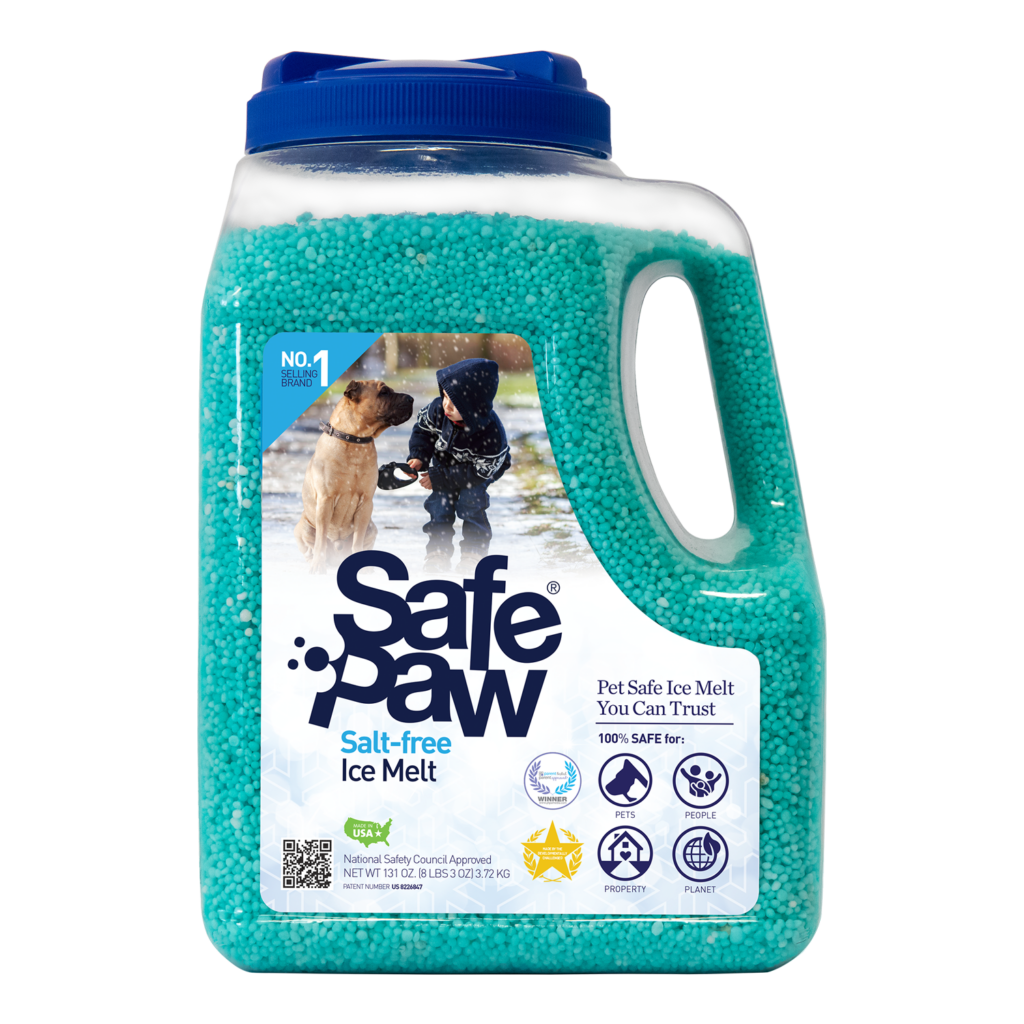
Safe Paw
The Original and the #1 Pet and Child Safe Ice Melt for over 20 years. Guaranteed environmentally safe – will not harm waterways and sensitive wetlands. Safe Paw can change how winter affects our planet.
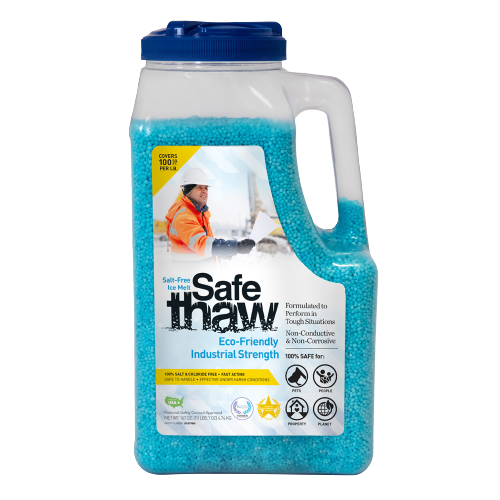
Safe Thaw
Imagine an ice melt you can put down and never worry about. It won’t harm pets, kids and your property. That’s Safe Thaw. Unlike anything else on the market, Ice and Snow Management You Can Trust.