
What Is Black Ice And Why It’s A Hazard For Driving
Black ice is a hazard for drivers, especially during the winter months. This thin layer of ice forms on roads, bridges, and overpasses when temperatures are below 32 degrees Fahrenheit. The name black ice comes from the fact that it looks like black asphalt or concrete, when in reality it’s just a thin sheet of transparent ice. Driving over black ice can cause cars to spin out and lose control resulting in serious wrecks and collisions. The best way to avoid black ice is to stay up to date about weather conditions in your area and to spot this dangerous formation before it happens.
Get ready for winter with Traction Magic instant grip on snow and ice
Black Ice Mostly Often Forms At Night
Black ice can form at night, and it’s a hazard for drivers. If you’re driving on a road that has black ice, you might not realize that you’re driving over it until it’s too late. It can lead to a crash or an accident, so if you do come across black ice while driving at night, be sure to slow down and take extra precautions when going around corners or passing other vehicles.
Black ice is dangerous because it can make driving conditions hazardous, especially since it’s invisible to drivers. Black ice is generally caused by freezing rain.
Black ice can result in serious wrecks with injuries or fatalities involved. Black ice isn’t just a hazard during winter months; it happens all year round and can occur after periods of snowfall or rain when temperatures drop below 32 degrees F (0 Celsius).
Get ready for winter with Traction Magic instant grip on snow and ice
If You Cross Over A Patch Of Black Ice, Don’t Panic.
If you do slide on black ice, remember to maintain your car stay upright. If a vehicle is sliding straight ahead and nothing else is around, the best thing to do is just let it go. Don’t brake or turn in an attempt to stop your car. It will slow down eventually, but there’s no way to make sharp turns when your tires have no traction on ice.
If possible, slow down as much as you can before reaching a patch of black ice (make sure there are no cars behind you!) and avoid swerving into another lane at all costs. If you cannot slow down quickly enough and cannot avoid crossing over into another lane then steer in the direction of the slide—this will help keep control of your vehicle until friction returns.

Stay Up To Date About Weather Conditions In Your Area
The best way to avoid black ice is to stay up to date about weather conditions in your area. Local news, the internet, and local forecasts can give you a good idea of how the weather will be on your commute. If you’re driving at night or during early morning hours, it’s important not just to check the forecast but also to pay attention to any warnings issued by local authorities.
Traction Magic – Traction for tires in snow
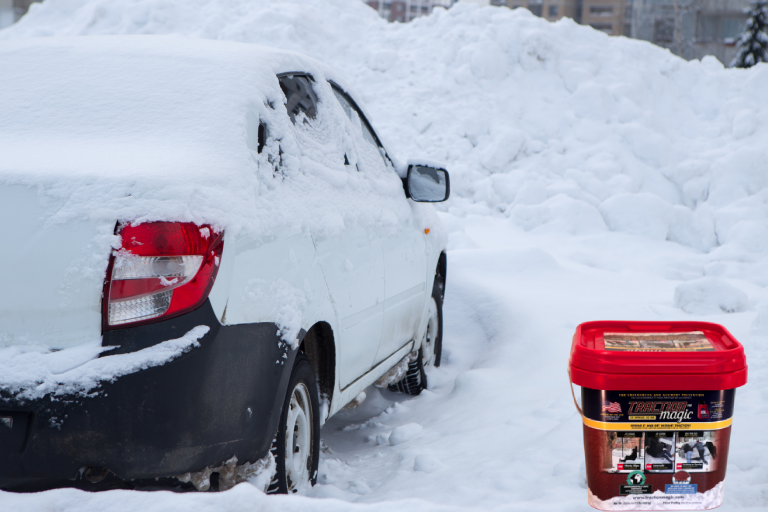
You can also use a product called Traction Magic by Gaia Enterprise for increased snow traction for tires. This product helps you get traction in the snow and ice by adding a layer of non-slippery granules to your tires, so they don’t skid on the slippery ice layer. Traction Magic granules are like snow grippers for tires that provide immediate traction. The tiny spiky granules of the traction agent bite through the ice’s surface. Meanwhile, the absorber granules soak up the surface water that makes ice slick.
You can spray or rub the granules on your car tires before driving in the freezing rain. It’ll help provide extra grip when you need it the most.
Black Ice vs Normal Ice: What Drivers Need to Understand
Many drivers confuse black ice vs normal ice, but the distinction is critical—especially when it comes to safety. Normal ice is visible. You can see the white sheen, patches of frost, or even chunky frozen areas. But black ice is stealthier. It’s thin, clear, and forms directly over asphalt, making the road appear just wet instead of icy. That’s why it’s more dangerous—it blends in with the road, and drivers can’t brace for it.
What does black ice mean for your safety? It means your tires have virtually no grip. And how cold does it have to be for black ice to form? As soon as temperatures drop below 32°F (0°C)—especially during the night or early morning after rain or melting snow—you’re in the danger zone. This is why traction solutions like Traction Magic are crucial. It provides snow traction for tires without relying on temperature to melt ice. Instead, it physically grips the surface and keeps your wheels stable where black ice would otherwise win.
Should I Turn Traction Control Off in Black Ice vs Normal Ice?
It’s a fair question—should I turn traction control off in snow? The answer depends on the situation. Traction control helps prevent your wheels from spinning, which is useful. But in deep snow or icy uphill climbs, turning it off temporarily can help get your tires moving. Still, this shouldn’t be your first line of defense.
If you’re asking this, chances are you’re already dealing with black ice vs normal ice and unsure how to navigate. Instead of relying on tech alone, reinforce your tires with ice Traction Magic. Unlike kitty litter or sand, it doesn’t melt or wash away. It grips, instantly, helping you move safely through the slickest patches—no need to gamble with turning systems on or off.
Get ready for winter with Traction Magic instant grip on snow and ice
Conclusion
What does black ice mean for you as a driver? It’s not just another form of ice—it’s a nearly invisible threat. Compared to normal ice, black ice is sneaky, forming in just the right (or wrong) temperatures and conditions. Whether you’re wondering how cold does it have to be for black ice to form or debating should I turn traction control off in snow, the takeaway is this: visibility doesn’t equal safety. With unpredictable hazards like black ice, relying on weather forecasts alone isn’t enough. Prepare smarter with real, physical solutions like ice Traction Magic, which transforms your tires into black ice defenders. Don’t guess. Grip the road with confidence—every drive, every time.
Other Ice Melt Products
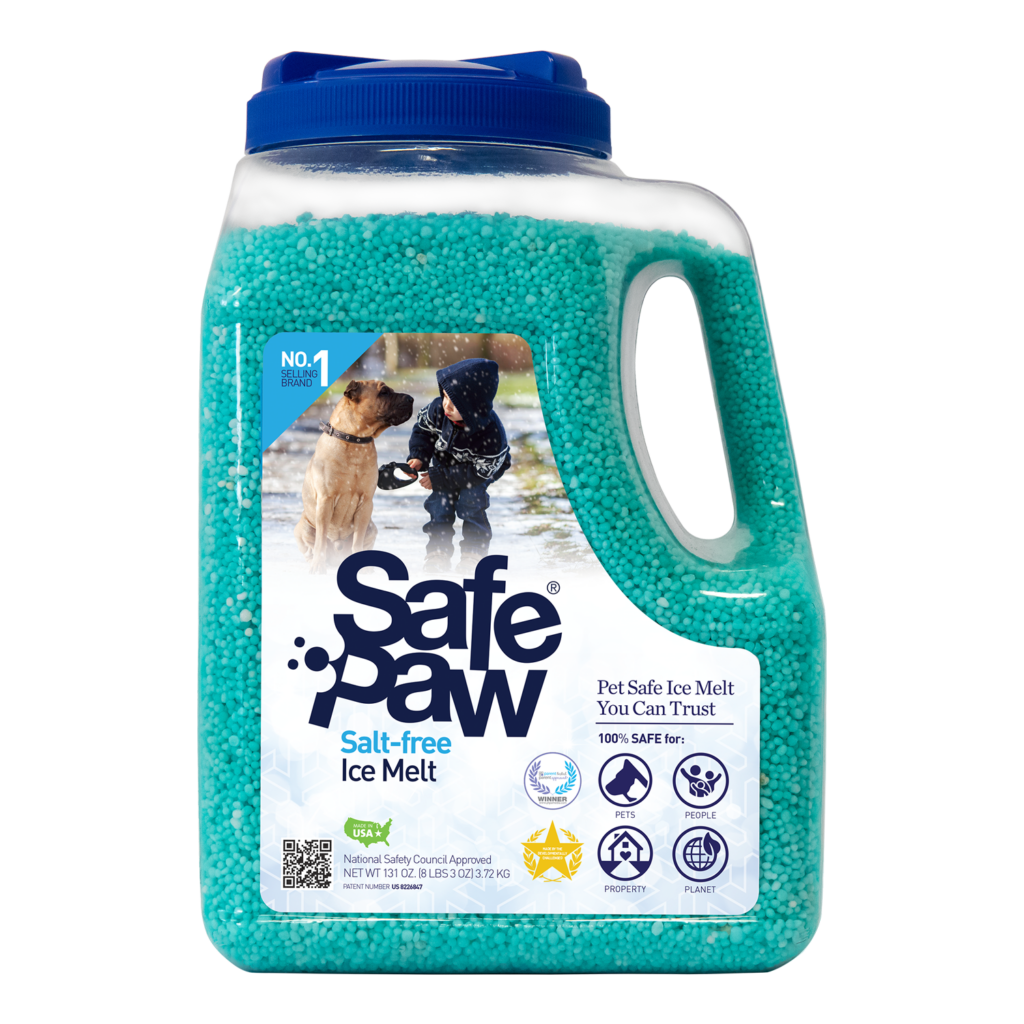
Safe Paw
The Original and the #1 Pet and Child Safe Ice Melt for over 20 years. Guaranteed environmentally safe – will not harm waterways and sensitive wetlands. Safe Paw can change how winter affects our planet.
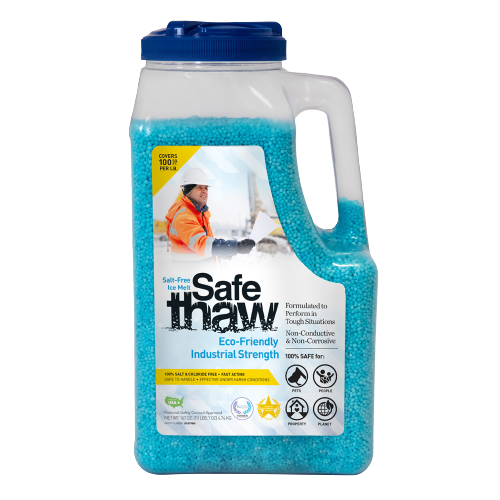
Safe Thaw
Imagine an ice melt you can put down and never worry about. It won’t harm pets, kids and your property. That’s Safe Thaw. Unlike anything else on the market, Ice and Snow Management You Can Trust.