
6 Effective Traction Methods For Slippery Surfaces

What Works Best for Slippery Surfaces?
Improving traction on slippery winter surfaces depends on where the problem occurs. Winter tires and tire chains improve vehicle grip, while sand and similar abrasives can provide temporary surface friction. Ice melts work by reducing or loosening ice, whereas surface traction agents add grip without needing to melt the ice first. For sidewalks, driveways, steps, and roads, the most appropriate method depends on the surface, temperature, amount of ice, whether pedestrians or vehicles are using the area, and how quickly traction is needed.
Key Takeaways
- Different traction methods solve different problems: vehicle equipment, surface abrasives, deicers, and surface traction agents are not interchangeable.
- Winter tires improve vehicle traction in winter conditions, while tire chains provide additional mechanical grip in more difficult conditions.
- Sand can provide temporary friction but does not remove or melt the underlying ice.
- Kitty litter may be used as an emergency improvised material, but it is not designed specifically for winter surface traction.
- Ice melts reduce or loosen ice, while traction agents focus on adding grip to the surface.
- Black ice can be difficult to see, so traction measures should be combined with slower movement, suitable footwear, and cautious driving.
Navigating slippery surfaces during winter can be challenging, and finding the right traction method is crucial for safety. In this article, we’ll explore six effective ways to enhance traction on icy surfaces, discuss the limitations of traditional methods like sand and kitty litter, and introduce Traction Magic as a superior alternative.
Get ready for winter with Traction Magic instant grip on snow and ice
How Do Traction Methods Work?
Winter traction methods generally work in one of three ways. Mechanical traction uses tread, chains, spikes, or similar equipment to help a person or vehicle grip the surface. Abrasive traction places particles on top of snow or ice to increase friction. Deicing works differently by helping melt or loosen ice rather than simply increasing surface friction. Understanding this distinction makes it easier to choose an appropriate method for a specific surface or situation.
1. Traction Tires
Traction tires, specifically designed for icy and snowy conditions, are a popular choice. They have a special tread design and a rubber compound that remains flexible at low temperatures, providing a better grip. However, they require seasonal changing and storage, which might not be convenient for everyone.
2. Tire Chains
Tire chains wrap around the tires of a vehicle to provide additional traction. They are particularly effective on packed snow and ice. The downside is that they can be difficult to install, especially in cold, wet conditions, and are not suitable for driving on clear roads as they can damage the pavement.
3. Sand
Sand is a common material used to create traction on icy surfaces. While it can provide immediate grip, it has several drawbacks. Sand can scatter and become less effective over time, and it does not melt ice, which means the underlying hazard remains.
4. Kitty Litter
Kitty litter is often used as a quick fix for creating traction on ice. However, it can become clumpy and messy, especially when wet. Like sand, it does not help in melting ice and can contribute to environmental pollution due to its chemical composition.
5. Ice Melts (Salt, Calcium Chloride)
Ice melts like salt and calcium chloride lower the freezing point of water, thereby melting ice. While they can be effective, they take time to work and can be corrosive to metal and harmful to vegetation and pets. Additionally, they are less effective at extremely low temperatures.
Get ready for winter with Traction Magic instant grip on snow and ice
6. Traction Magic
Traction Magic offers an innovative solution to the problem of slippery surfaces. It provides instant traction on all icy surfaces, a significant advantage when salt and ice melts are slow to act or fail, particularly on black ice.
Pros and Cons of Common Winter Traction Methods
| Method | Advantages | Limitations |
| Winter tires | Designed to improve vehicle grip in winter conditions; always available once fitted | Vehicle-specific; requires seasonal preparation; does not remove ice |
| Tire chains | Strong mechanical grip where additional tire traction is needed | Must be installed; useful only for vehicles; not intended as a surface treatment |
| Sand | Provides temporary friction; works without melting ice | Can scatter; may need reapplication; does not remove the underlying ice |
| Kitty litter | May provide limited emergency grip when nothing else is available | Not designed as a winter traction material; can become messy when wet; does not melt ice |
| Ice melts | Can loosen or reduce ice accumulation | Effectiveness depends on material, temperature, surface conditions and application |
| Surface traction agent | Can add grip without waiting for ice to melt | Does not remove ice; coverage may need to be renewed after traffic or additional precipitation |
Important Limitations of Winter Traction Methods
- No traction method eliminates every risk associated with snow or ice.
- Sand and traction materials improve friction but do not remove the ice underneath.
- Deicers require appropriate conditions and may not provide immediate traction.
- Winter tires, chains and footwear improve traction only for the person or vehicle using them.
- Surface-applied materials may move or become covered by additional snow, freezing rain or traffic and may require reapplication.
- Black ice can be difficult to identify visually.
- During severe icing conditions, avoiding unnecessary travel can be more appropriate than relying on a traction method alone.
Advantages Of Traction Magic:
- Immediate Traction: Unlike traditional methods that take time to work, Traction Magic works instantly, making it ideal for emergency situations.
- Safety: It is safe for pets, people, and the environment, addressing the ecological and health concerns associated with products like crystallized cat litter.
- Effectiveness in Extreme Cold: Traction Magic is effective in temperatures down to -35°C, ensuring reliability in various winter conditions.
- Ease of Application: It is easy to apply and does not require the physical effort associated with tire chains.
- Long-Lasting Solution: Unlike sand or kitty litter, Traction Magic creates a stable, non-skid surface that lasts until the ice melts naturally.
How the Six Traction Methods Work
| Method | How It Works | Adds Immediate Grip? | Melts Ice? | Main Use |
| Winter tires | Winter-specific tire tread and compound | Yes, for vehicle | No | Routine winter driving |
| Tire chains | Mechanical contact around tire | Yes, for vehicle | No | Additional vehicle traction |
| Sand | Adds abrasive particles | Yes, temporarily | No | Surface friction |
| Kitty litter | Adds loose particulate material | Limited | No | Emergency improvised use |
| Ice melt | Helps change freezing/melting conditions | Not necessarily | Yes | Ice reduction |
| Surface traction agent | Adds friction directly to ice | Yes, where applied | No | Localized surface traction |
Frequently Asked Questions About Traction on Slippery Surfaces

Conclusion
While there are several methods to improve traction on slippery surfaces, each has its limitations. Traction Magic emerges as a robust and environmentally friendly solution, providing instant and effective traction in a variety of winter conditions. Its natural composition and ease of use make it a superior choice for ensuring safety on icy surfaces. Whether it’s for pedestrian walkways or driving conditions, Traction Magic offers a reliable and practical solution for combating the challenges of winter weather.
Related Articles
How to Maximize Tire Traction in Winter
Best Ice Melt or Traction Agent for New Concrete
How to Choose an Ice Traction Agent
Winter Traction Guidance for Ice and Snow
Get ready for winter with Traction Magic instant grip on snow and ice
Other Ice Melt Products
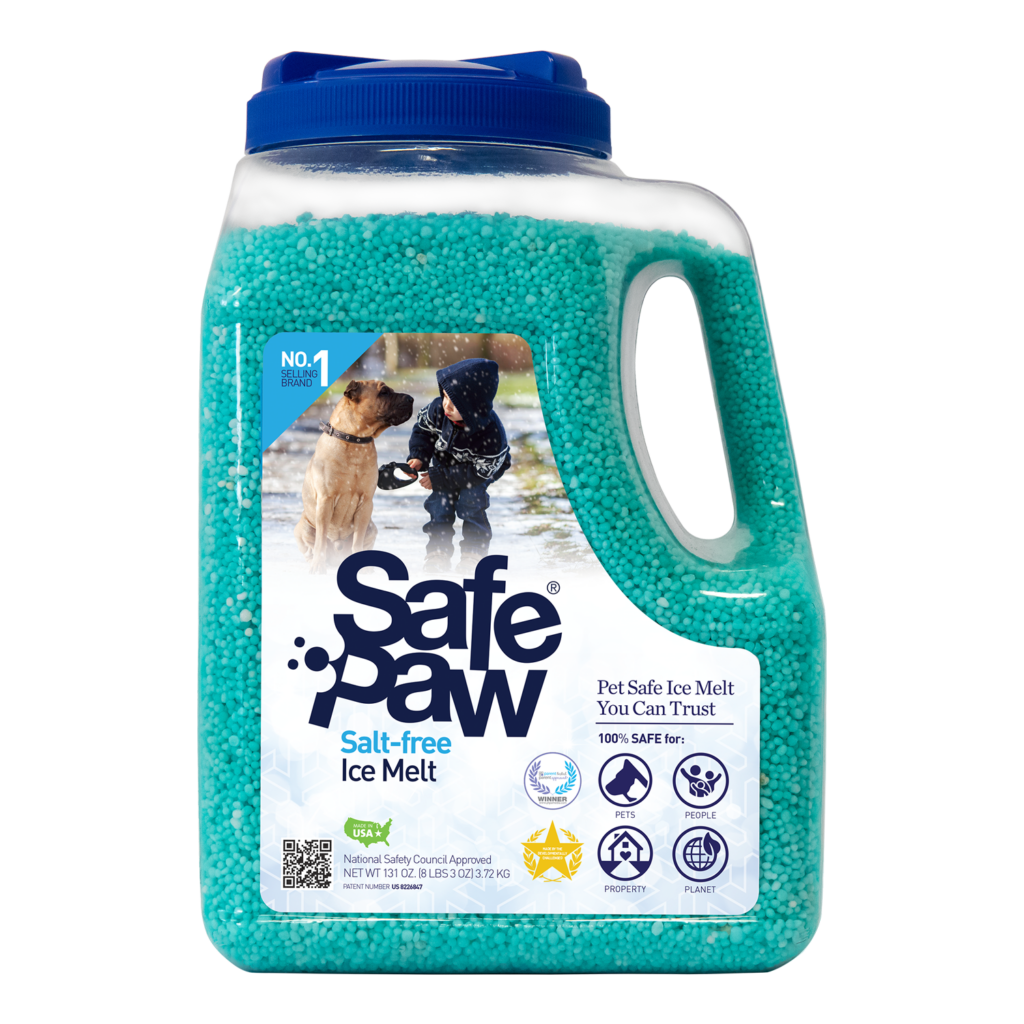
Safe Paw
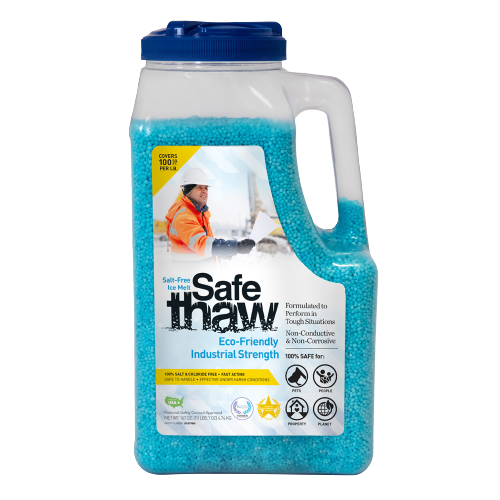
The Original and the #1 Pet and Child Safe Ice Melt for over 20 years. Guaranteed environmentally safe – will not harm waterways and sensitive wetlands. Safe Paw can change how winter affects our planet.
Safe Thaw
Imagine an ice melt you can put down and never worry about. It won’t harm pets, kids and your property. That’s Safe Thaw. Unlike anything else on the market, Ice and Snow Management You Can Trust.