
5 Steps To Selecting A Concrete Safe Salt For Winter.
Winter is coming. And with it comes the picturesque snow and festive vibes. But let’s face it, along with snowmen and sleigh rides, winter also brings a load of slippery walkways and driveways. Ah, the sheer dread of ice-coated concrete! For many, the immediate go-to is salt. But here’s the thing, not all salts are a friend to your concrete. So, how does one go about selecting the perfect concrete safe salt?
Get ready for winter with Traction Magic instant grip on snow and ice
Understanding The Salt Saga: Concrete Safe Salt
First off, let’s get something straight. Most salts are to concrete what kryptonite is to Superman. They may promise de-icing wonders (concrete safe salt), but in the background, they’re secretly eroding the life out of your beautiful concrete. Is there any salt safe for concrete? The real challenge? Knowing which ones to avoid.
Know Thy Enemy: Salts To Sidestep
- Sodium Chloride: Also known as rock salt, this is your most common choice. But, here’s the catch – it can corrode metal and deteriorate concrete over time. Ouch!
- Calcium Chloride: It melts ice faster than sodium chloride. But wait, there’s a downside. It can promote a freeze-thaw cycle detrimental to your concrete.
- Magnesium Chloride: Effective at ultra-low temperatures, sure. But it also can draw moisture from the air, facilitating the freeze-thaw cycle. Not a fan, are we?
- Potassium Chloride: A lesser evil compared to its peers, but still not the best mate for your concrete pathways.
- Selecting Your Concrete’s Best Friend: A Step-by-Step Guide
- Assess Your Needs: How big is your area? Do you need a solution for a small patio or a long driveway?
- Natural Over Chemical: Always, always opt for a natural solution. Not only are they kinder to the environment, but they also tend to be gentler on surfaces and living beings.
- Effectiveness in Extreme Temperatures: Some products claim wonders but fail when the mercury dips real low. Make sure you’re choosing something robust.
- Check for Residue: Post-de-icing residue is a big no-no. Nobody wants ugly white streaks on their concrete once the ice is gone.
- Safety First: Ensure the product is safe not just for concrete, but also for pets, kids, and plants.
Get ready for winter with Traction Magic instant grip on snow and ice
The Magic Solution: Traction Magic
If you’re thinking, “Is there a magic bullet for this problem?” Well, yes. Aptly named, Traction Magic is what dreams are made of. When regular salts fail, this traction agent shines. Slipping on black ice? Not on Traction Magic’s watch. It offers instant grip, making accident-prone areas safe in seconds.
It’s not just about performance. It ticks all the boxes – 100% natural, safe around kids, pets, and plants, and effective even in the chilliest of temps. Whether you’re walking the dog or driving out, Traction Magic ensures you do so without any ice-induced mishaps.

Tire Traction in Snow: What Happens to Grip in Slippery Weather?
Snow doesn’t just blanket your driveway—it plays mind games with your tires. If you’ve ever asked yourself what happens to traction during rain and snow, the answer lies in how moisture interacts with the surface beneath your tires. Water and snow reduce the friction between your tires and the road, drastically decreasing control. Add freezing temperatures into the mix, and you’ve got a perfect setup for black ice to form—a thin, transparent sheet that looks like wet pavement but behaves like a skating rink.
So, what is black ice on roads, and why is it such a nightmare? Black ice forms when melted snow refreezes quickly, often overnight or in shaded areas. It’s nearly invisible, catches even experienced drivers off-guard, and is responsible for countless winter accidents. Unlike slush or packed snow, black ice offers no visual cue and leaves your vehicle suddenly sliding with no warning.
The key to avoiding disaster? Enhancing tire traction in snow before your car ever leaves the driveway. Applying a traction agent like Traction Magic gives your tires something to grip on the road itself. Instead of relying only on treads or hoping the ABS system saves the day, you’re physically altering the road conditions under your tires. That’s control at its finest.
Tire Traction in Snow and How to Deal with Black Ice Like a Pro
You may have the best winter tires, but when black ice strikes, preparation matters more than gear alone. Learning how to deal with black ice starts with awareness. Recognize risk zones—bridges, shaded streets, and early morning commutes—and prepare them before you drive. Traction Magic isn’t just a reactive tool; it’s preventive. A quick layer across your driveway or any icy patch creates immediate grip, transforming danger zones into safe zones.
You might also wonder, how do rain and snow affect a vehicle’s traction? Both reduce grip significantly, but snow brings added depth and unevenness, while rain—especially when it freezes—adds the danger of hydroplaning or black ice formation. That’s why a layered approach works best: winter tires for movement and Traction Magic for the surface beneath.
Whether you’re walking out or backing down your sloped driveway, protecting your tires and your surfaces is non-negotiable. That’s where tire traction in snow becomes more than a technical phrase—it becomes a life-saver.
Get ready for winter with Traction Magic instant grip on snow and ice
Conclusion
The original article made a strong case for ditching harmful salts and embracing safer, more effective solutions like ice Traction Magic. Now, we’ve expanded the conversation to show how traction impacts more than just your feet—your vehicle’s safety depends on it too. Tire traction in snow is not something to gamble with, especially when black ice lurks in plain sight. By pairing proactive surface treatment with winter-ready gear, you’re not just choosing safety—you’re commanding it. Winter may be unpredictable, but your traction doesn’t have to be.
Other Ice Melt Products
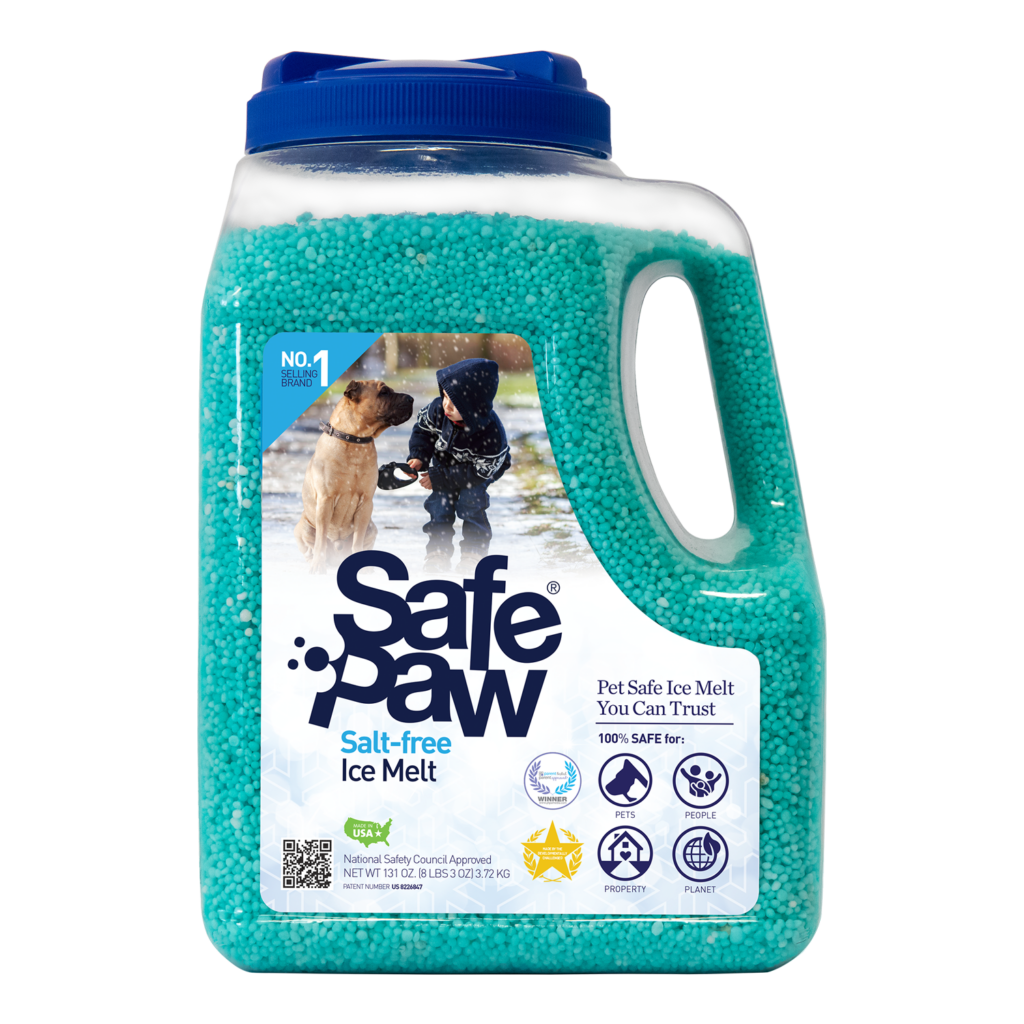
Safe Paw
The Original and the #1 Pet and Child Safe Ice Melt for over 20 years. Guaranteed environmentally safe – will not harm waterways and sensitive wetlands. Safe Paw can change how winter affects our planet.
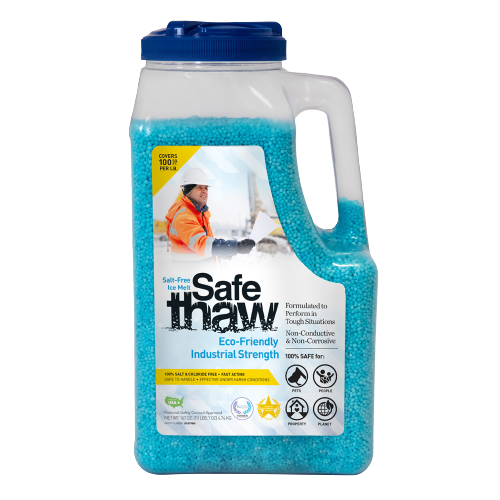
Safe Thaw
Imagine an ice melt you can put down and never worry about. It won’t harm pets, kids and your property. That’s Safe Thaw. Unlike anything else on the market, Ice and Snow Management You Can Trust.